
作者:中国民主党英国总部—俞滨
最近,我积极参与了多个国际活动,包括最近在英国议会举办的白纸运动纪念活动。该活动由跨党派议员Lain Duncan Smith MP和Alex Sobel MP组织,他们均为跨国议会联盟(IPAC)的成员。IPAC的目标是联合民主国家的立法议员,共同遏制中国共产党在国际上的影响力,并拒绝通过任何对中共有利的立法。值得注意的是,这两位议员分别来自保守党和工党,表明无论英国的执政党如何更替,针对中国专制政权的政策基调不会轻易改变。类似的跨党派合作,不仅有助于压制中共的国际扩张,还为异议者提供了广阔的参与空间和支持。
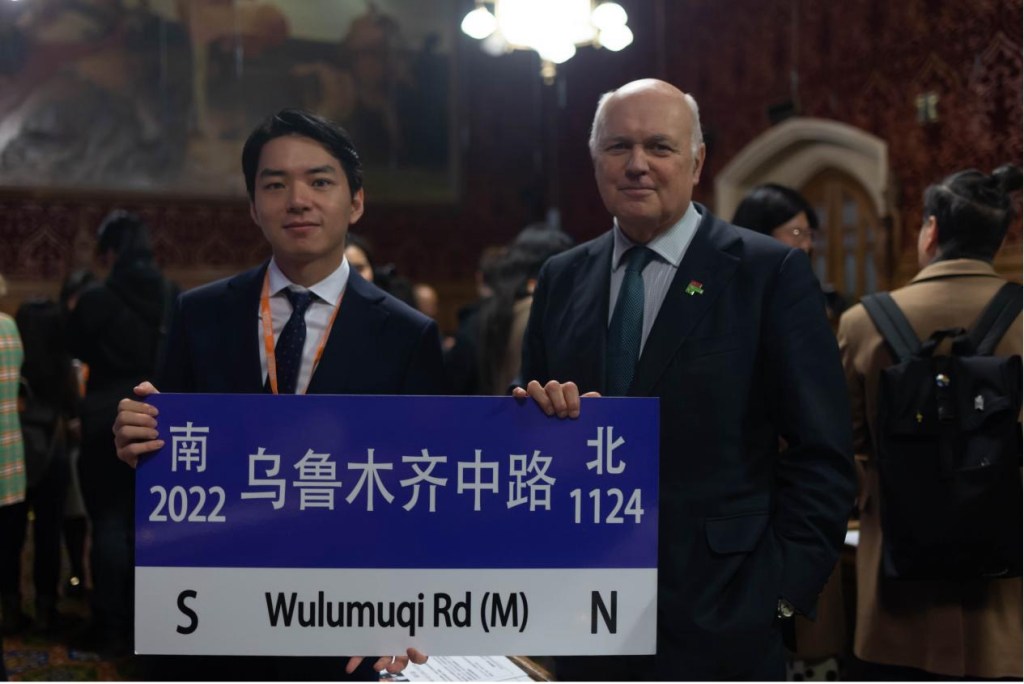
今年11月26日,我还组织了一场白纸运动两周年的纪念活动。在活动之前,我收到了一系列威胁邮件,包括冒充国际特赦组织套取信息,以及利用我的真实身份进行恶意查询。这让我深思:为何中共对已经流亡国外的异议者仍然如此紧张甚至恐惧?这不仅仅是因为中国国内对异议行动的高压政策,还有更深层次的原因值得探讨。
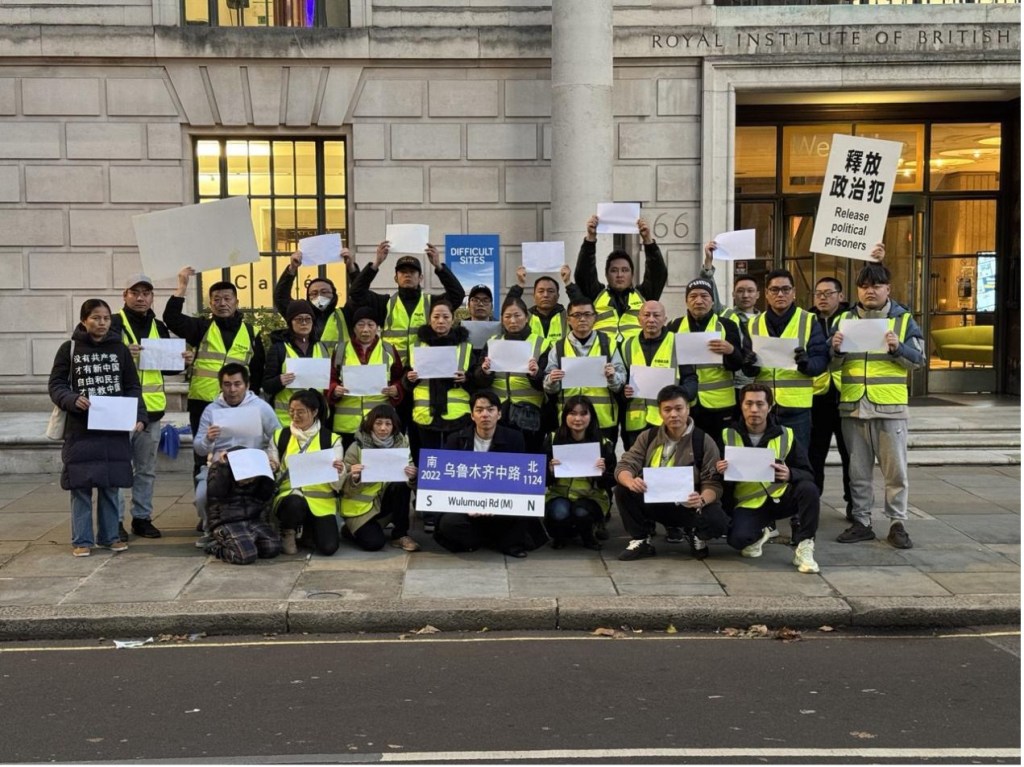
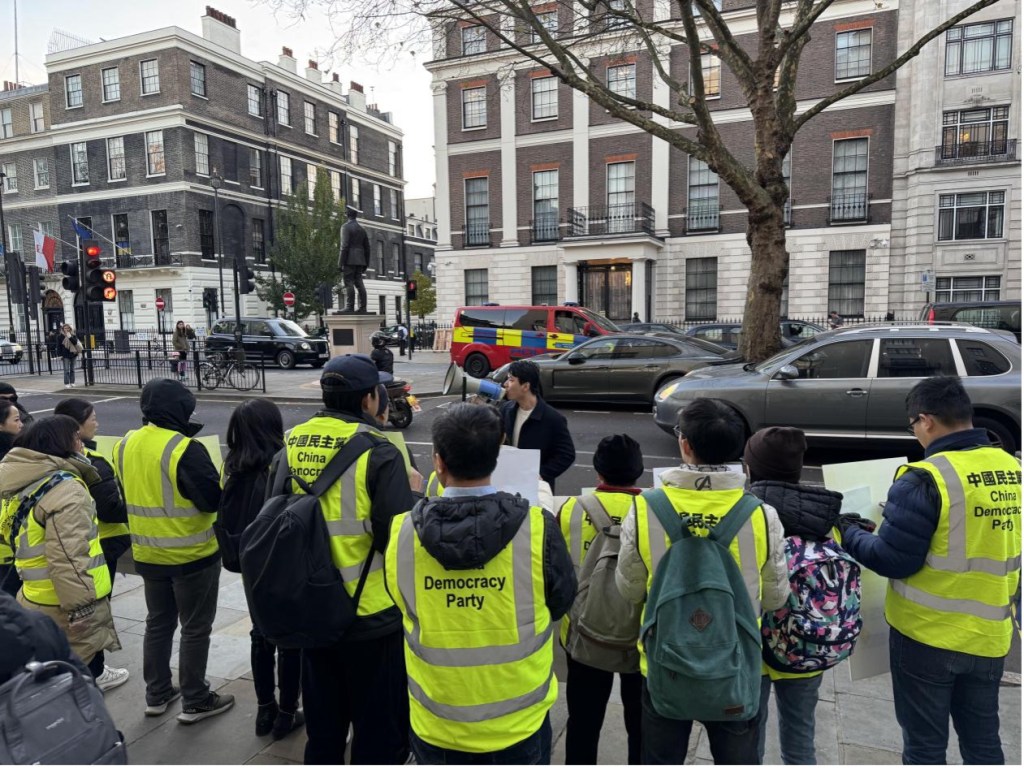
异议者选择在国际社会行动,首要原因在于这一平台的战略意义。在国内,异议声音被严厉打压,缺乏扩散和施压的渠道;而国际社会为异议者提供了宝贵的空间。通过揭露中国人权问题,异议者可以吸引全球舆论和媒体的关注,推动西方国家制定更强硬的对华政策。例如,香港流亡活动家罗冠聪成功将香港问题推向国际议程,使其成为西方国家对华关系中的重要议题。
中国社会结构的特点同样决定了反对运动更容易在国外展开。首先,国内公民的政治参与度极低。普通民众在高压环境下普遍选择沉默或冷漠,对政治风险保持距离。此外,中国迅速崛起的中产阶级为保护自身经济利益,通常更倾向于维护现状,而非挑战权力结构。
同时,国家宣传通过强化民族主义情绪,将异议者贴上“叛国者”或“卖国贼”的标签,进一步孤立他们。这种舆论导向使异议者在国内几乎无法获得支持,而被迫将目光投向国际社会。正如孙中山在清末时代选择于海外组建同盟会一样,现代异议者也在国际舞台上寻找突破口。
在国内宣传中,流亡的异议者经常被贴上“卖国贼”的标签,以削弱其国内支持。这种指控利用了民族主义的情绪,将异议者与“外国干预”挂钩,制造了国内舆论的割裂。然而,这种“卖国”论调是否成立?
从本质上看,反对中共与反对中国是两个完全不同的概念。异议者的目标并非毁灭中国,而是希望通过改变中共的专制体制,让中国社会变得更加自由、公正与民主。这种反对行动并不是为了迎合西方利益,而是出于对中国未来的责任感。事实上,历史上许多推翻专制政权的领导者都曾被执政者扣上“卖国”之名,例如孙中山被清政府视为“叛国者”,但后来的历史证明,他的努力是为了实现民族复兴与社会进步。
此外,国际社会的支持并非等同于“利用外国势力”。历史上,许多民主转型的国家都借助了外部力量,例如二战后欧洲在美国的支持下重建民主体制,南非种族隔离的结束也离不开全球的共同努力。这表明,国际声援是推动专制国家变革的重要力量,而非简单的“干涉内政”。
批评者常常质疑,流亡异议者远离国内,他们的行动是否真的能带来实质性改变?对此,需要从长期的角度来评估。
短期内,流亡者的影响力确实有限。中共依然拥有强大的宣传机器,能够淡化外部批评的影响;而国内民众在高压政策下,难以直接响应流亡者的号召。但这并不意味着流亡者的努力是徒劳无功的。事实上,历史证明,许多变革的发生都经历了漫长的积累过程。例如,苏联时期的持不同政见者在冷战中通过国际社会扩大影响,最终对苏联解体起到了推波助澜的作用。
长期来看,流亡者的影响力不可低估。他们不仅是对现体制的直接批评者,更是未来改革的潜在设计者。当体制出现裂缝时,流亡者的思想、组织和国际网络能够迅速填补空白,为新的社会秩序提供蓝图。香港的民主运动者正是在这一方面发挥了重要作用,通过争取全球的关注与支持,将民主价值观深植于国际社会的对华议程中。
流亡异议者的国际化行动,并非仅仅是一种无奈之举,而是对现实的战略性选择。从争取国际支持到推动国内觉醒,这些行动在多个层面上发挥着作用。虽然短期内的成效可能有限,但其长远影响不可忽视。中国的民主化进程,注定是一条漫长而曲折的道路,但正如历史所示,每一次真正的变革都始于那些敢于发声的人。而在今天的全球化时代,这种声音已经不再局限于国界之内。
Why are anti-communists abroad? What’s the point?
By Bin Yu, UK Headquarters of the CDP
Recently, I have actively participated in several international events, including a commemoration of the White Paper Movement held at the UK Parliament. This event was organized by cross-party MPs Iain Duncan Smith and Alex Sobel, both members of the Inter-Parliamentary Alliance on China (IPAC). IPAC aims to unite legislators from democratic nations to collectively counter the Chinese Communist Party’s influence on the global stage and reject any legislation that benefits the CCP. Notably, these two MPs represent the Conservative and Labour parties, respectively, highlighting that regardless of which party governs the UK, the fundamental policy stance against China’s authoritarian regime is unlikely to shift easily. Such cross-party cooperation not only helps curb the CCP’s international expansion but also provides dissenters with a broader platform for engagement and support.
On November 26 this year, I also organized an event to commemorate the two-year anniversary of the White Paper Movement. Prior to the event, I received a series of threatening emails, including attempts to impersonate Amnesty International to extract information and malicious inquiries targeting my real identity. This has led me to reflect deeply: why does the Chinese Communist Party remain so anxious and even fearful of dissenters who have already fled abroad? This phenomenon is not solely a result of the high-pressure policies against dissent within China but also suggests deeper underlying reasons that merit further exploration.
Dissenters choose to act on the international stage primarily because of its strategic significance. Within China, dissenting voices face severe suppression, lacking avenues for dissemination or exerting pressure, while the international community offers valuable space for their efforts. By exposing human rights issues in China, dissenters can draw global media attention and influence Western countries to adopt tougher policies toward China. For example, Hong Kong activist Nathan Law successfully brought Hong Kong’s struggles to the international agenda, making it a key issue in Western relations with China.
The unique characteristics of Chinese society also determine that opposition movements are more viable abroad. First, domestic political participation is exceedingly low. In a high-pressure environment, ordinary citizens often choose silence or apathy, distancing themselves from political risks. Moreover, China’s rapidly growing middle class, focused on safeguarding its economic interests, typically favors maintaining the status quo over challenging the power structure.
Simultaneously, state propaganda intensifies nationalist sentiments, branding dissenters as “traitors” or “sellouts,” further isolating them. This narrative leaves dissenters with almost no domestic support, forcing them to turn to the international stage. Just as Sun Yat-sen formed the Tongmenghui abroad during the late Qing Dynasty, modern dissenters seek breakthroughs on the global platform.
In domestic propaganda, exiled dissenters are often labeled as “traitors” to weaken their support at home. This accusation exploits nationalist sentiments, linking dissenters to “foreign interference” and fostering domestic division. But is the “traitor” label justified?
At its core, opposing the CCP is fundamentally different from opposing China. Dissenters do not aim to destroy China but to transform the CCP’s authoritarian system into a freer, fairer, and more democratic society. Their actions are not about catering to Western interests but stem from a deep sense of responsibility for China’s future. In fact, many leaders who overthrew authoritarian regimes were once branded as “traitors” by those in power—Sun Yat-sen was labeled a “rebel” by the Qing government, but history later proved his efforts were aimed at national rejuvenation and social progress.
Moreover, international support does not equate to “relying on foreign forces.” Historically, many democratic transitions have relied on external assistance. For example, post-World War II Europe rebuilt democratic systems with U.S. support, and the end of apartheid in South Africa depended on global solidarity. This demonstrates that international backing can be a vital force for change in authoritarian states, rather than mere “interference in internal affairs.”
Critics often question whether exiled dissenters, acting from afar, can bring about substantive change. This requires a long-term perspective.
In the short term, exiles’ influence is indeed limited. The CCP’s powerful propaganda machine can diminish the impact of external criticism, and domestic citizens, constrained by high-pressure policies, find it difficult to respond directly to exiles’ calls. However, this does not render their efforts futile. History shows that many transformative changes occur after prolonged accumulation. For instance, Soviet-era dissidents leveraged international platforms during the Cold War, ultimately contributing to the USSR’s collapse.
In the long run, exiles’ impact is significant. They are not only direct critics of the current system but also potential architects of future reforms. When cracks appear in the system, exiles’ ideas, organizational structures, and international networks can swiftly fill the void, providing blueprints for a new social order. Hong Kong’s pro-democracy activists exemplify this by embedding democratic values into the global agenda on China through their advocacy and international outreach.
The international actions of exiled dissenters are not merely acts of desperation but rather strategic responses to reality. From rallying global support to awakening domestic consciousness, these efforts operate on multiple levels. While short-term results may be limited, their long-term effects are undeniable. China’s path to democratization is destined to be long and challenging, but as history has shown, every meaningful transformation begins with those brave enough to speak out. In today’s globalized era, such voices are no longer confined by national borders.
