
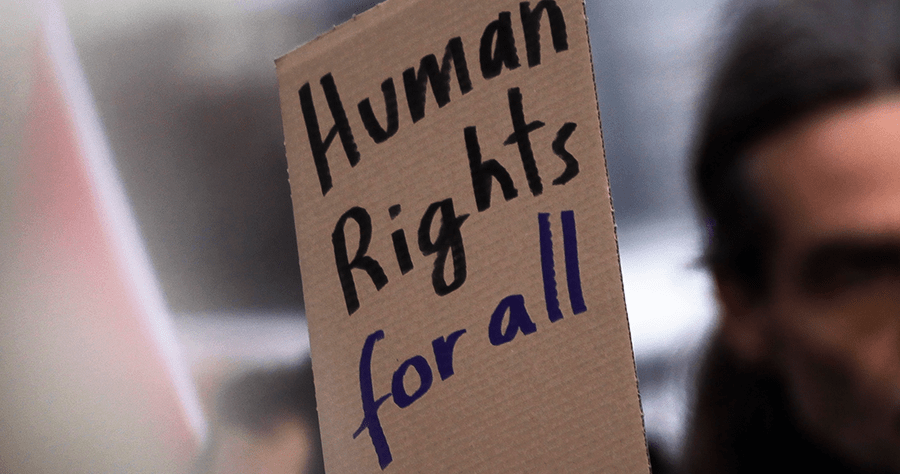
中國在2024年經歷了一系列反社會事件,這些事件暴露出底層社會深刻的結構性問題與人權危機,並引發了國內外的廣泛關注。然而,中共政府對這些問題的回應仍顯得遲緩甚至迴避,使得人們對改善中國人權狀況的期望蒙上陰影。在2025年新的一年裡,中國政府如何改善人權現狀成為了關鍵議題。本文將探討2024年反社會事件的根源、中共政府的應對方式以及未來可能的改革方向。
2024年的反社會事件及其根源
2024年,中國多地爆發了一系列與底層民眾相關的反社會事件,包括工人集會抗議、農村土地糾紛、城鎮強拆衝突,以及涉及勞工剝削的極端暴力事件。一些地區的年輕人因缺乏工作機會和經濟壓力而陷入困境,最終選擇極端方式表達不滿。這些事件的根本原因可以歸納為:
經濟壓力增大:中國經濟增長放緩導致就業機會減少,特別是在製造業和服務業領域,許多農民工和大學生難以找到穩定工作。
社會不平等加劇:財富分配不均的問題越發嚴重,農村與城市、沿海與內陸地區的差距進一步擴大。
法律與監管缺失:底層民眾的權益無法通過法律手段得到有效保護,地方政府的強制手段引發民怨。
中共政府的回應
對於2024年的反社會事件,中共政府主要採取了以下策略:
加強控制與壓制:在社交媒體上嚴格審查相關信息,防止事件進一步發酵;對參與抗議的民眾進行逮捕或懲戒。
有限的經濟補償:對部分事件中的受害者提供經濟補償,但未觸及深層次的制度改革。
宣傳穩定的重要性:官方媒體集中宣傳“穩定壓倒一切”的理念,將事件歸咎於外部勢力煽動。
儘管如此,這些應對措施未能從根本上解決問題,甚至在某些地區引發更大的不滿。
2025年的改善方向
面對日益突出的社會問題和國內外壓力,中共政府在2025年需要採取更全面和負責的行動,以改善人權狀況和民生條件:
改革法律體系:加強對底層民眾權益的法律保護,確保土地糾紛、勞工權益等問題能通過公平的法律程序解決。
縮小貧富差距:推進財稅改革,加強對農村和貧困地區的扶持,創造更多公平的經濟機會。
提升社會透明度:允許媒體和民間組織參與監督,讓底層民眾的聲音能夠被傾聽和回應。
教育與培訓:為失業的年輕人和農民工提供技能培訓,幫助他們適應經濟轉型的需求。
國際合作:通過與國際組織合作,學習其他國家的成功經驗,推動人權保障的進一步制度化。
2024年的反社會事件是中國底層社會積累多年的結構性問題的集中爆發,這既是一個挑戰,也是一個契機。中共政府如果能在2025年採取積極而務實的改革措施,不僅能夠改善人權狀況,還能為國家發展注入新的動力。然而,如果政府選擇繼續迴避或壓制問題,則可能面臨更大的社會動盪與國際壓力。未來的中國需要一個更公平、更包容的社會結構,這是所有人共同努力的方向。
撰稿者:李亞倫
Summary of China’s Human Rights Situation and Improvement in 2024
China experienced a series of anti-social incidents in 2024, which exposed deep structural problems and human rights crises at the grassroots level and aroused widespread concern both domestically and internationally. However, the CCP government’s response to these issues has been slow or even evasive, overshadowing expectations for an improvement in China’s human rights situation. In the new year of 2025, how the Chinese government will improve the human rights situation will be a key issue. This article examines the root causes of the 2024 antisocial incidents, the Chinese Communist government’s response, and possible directions for future reform.
Anti-social incidents in 2024 and their root causes
In 2024, a series of anti-social incidents related to the grassroots erupted in many parts of China, including workers’ rallies and protests, rural land disputes, forced demolitions in cities and towns, and extreme violence involving labour exploitation. Young people in some districts, who are in dire straits due to the lack of job opportunities and financial pressure, have eventually chosen to express their discontent in an extreme manner. The root causes of these incidents can be summarised as follows:
Increased economic pressure: China’s slowing economic growth has led to a reduction in job opportunities, especially in the manufacturing and service sectors, where many migrant workers and university students have difficulty finding stable employment.
Worsening social inequality: The uneven distribution of wealth has become more serious, widening the gap between rural and urban areas and between coastal and inland areas.
Lack of law and regulation: The rights of the grassroots are not effectively protected through legal means, and the coercive measures of local governments have led to public discontent.
Response from the Chinese Communist Government
The CCP government has adopted the following strategies in response to the anti-social events of 2024:
Enhanced control and suppression: Strict censorship of information on social media to prevent further escalation; arrests and punishment of protestors.
Limited financial compensation: Financial compensation was offered to some victims of the incident, but did not touch on deeper systemic reforms.
Promotion of the importance of stability: The official media focused on the idea that ‘stability overrides everything’ and blamed external forces for instigating the events.
Nonetheless, these responses have failed to address the root causes of the problem, and have led to greater discontent in some areas.
Directions for Improvement in 2025
In the face of growing social problems and domestic and external pressures, the Chinese government will need to take more comprehensive and responsible action to improve the human rights situation and livelihood conditions in 2025:
Reform the legal system: Strengthen the legal protection of the rights of the grassroots and ensure that issues such as land disputes and labour rights can be resolved through fair legal procedures.
Reduce the wealth gap: Promote fiscal reform, strengthen support for rural and poor areas, and create more equitable economic opportunities.
Enhance social transparency: Allow the media and civil society organisations to participate in monitoring, so that the voices of the grassroots can be heard and responded to.
Education and Training: Provide skills training for unemployed young people and migrant workers to help them adapt to the demands of economic restructuring.
International Co-operation: Through co-operation with international organisations and learning from the successful experiences of other countries, we will promote the further institutionalisation of human rights protection.
The antisocial events of 2024 are a challenge but also an opportunity, as the structural problems of China’s underclass that have been accumulating for years have exploded in a concentrated manner. If the CCP government adopts positive and pragmatic reforms in 2025, it will not only improve the human rights situation, but also inject new momentum into the country’s development. However, if the government chooses to continue to avoid or suppress the issue, it could face greater social unrest and international pressure. The future of China needs a fairer and more inclusive social structure, and this is a direction we can all work towards.
Written by Yalun Li
