
作者:邓伟
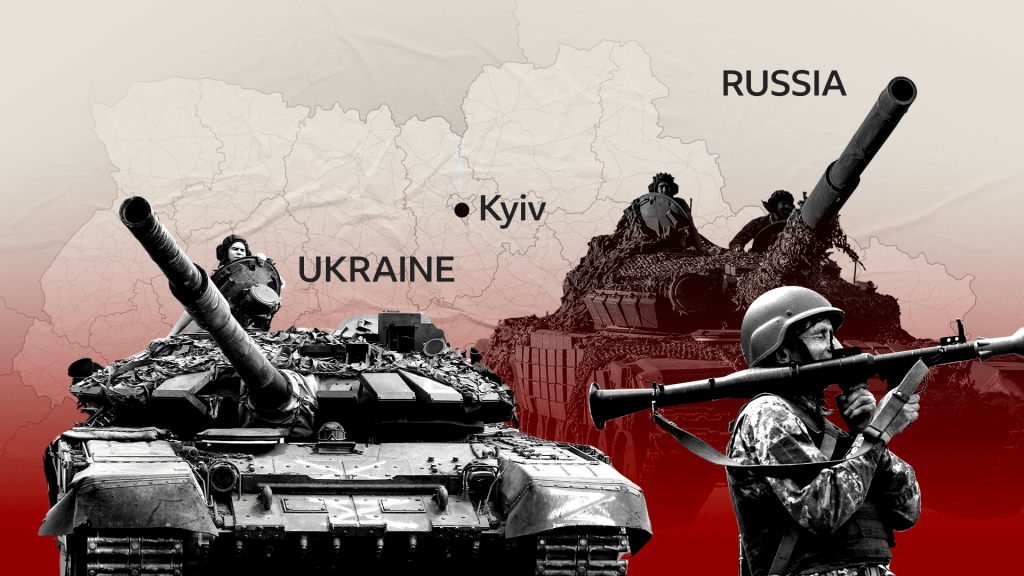
俄乌战争3年,美国总统川普暂停了对乌克兰援助,站在国家利益层面来说,无可厚非,但是从道义上,从人类文明的价值观来说,美国作为地球上唯一的超级大国,自由、民主世界的灯塔,公认的维护世界和平、公正的警察,面对俄罗斯入侵乌克兰,这一回却选择了漠视,川普的一言一行并未让人感觉到普京是独裁者,侵略者,相反乌克兰总统在他眼里却是独裁者,实在匪夷所思!
乌克兰总统泽连斯基想和平,绝不是某些人嘴里叫嚣的战争贩子,屠夫,和平的条件是啥?是乌克兰人投降吗?没有一个安全的保障,面对俄罗斯这种对领土有着近乎狂热追求的恶邻,乌克兰永远得不到安全,俄乌的历史早已验证了这一切,爱好和平但绝不妥协放任侵略者,这是为自由,为下一代而战,如果真如川普所言,他能带来和平,他应该明白乌克兰人坚持的意义是什么。
关于美乌矿产协议,这本是一件两国互惠的好事,乌克兰需要美国援助,美国需要利益,白宫的会谈最终闹得不欢而散,不去再细谈过程,每个人都有问题。
欧洲的立场,很多人执着的一点就是“欧洲一边在买俄罗斯的能源,一边在支持乌克兰”,俄乌战争以来,欧洲一直在摆脱对俄罗斯的能源依赖,在买能源是事实,这是一种无奈,不可能战争一开打完全摆脱,更何况欧洲各国都有自身利益,并不完全一致,比如匈牙利、塞尔维亚,东欧、波罗的海各国对俄罗斯的能源依赖更甚于其它欧洲国家,战争持续至今,欧洲对俄罗斯的能源已经从“高度依赖”转为“低度依赖”,至于做了哪些努力,可以自行AI,绝不是某些人口中的“一边买俄罗斯能源,一边支持乌克兰”,部分事实,以偏概全。
对于俄乌战争的走向,美国暂停援助坚持它的孤立主义,德国新总理上台后,欧洲加大对乌克兰的援助,迫使俄罗斯回到和平的谈判桌上,我不知道乌克兰人的和平诉求是否是放弃乌东4地加入北约、欧盟,但我肯定希望如此!
没有人不爱好和平,但如果和平建立在无限妥协中,那对乌克兰将是万劫不复!
Understanding the Russia-Ukraine War from My Perspective
Author: Deng Wei
Three years into the Russia-Ukraine war, U.S. President Donald Trump has suspended aid to Ukraine. From a national interest perspective, this decision is understandable. However, from a moral standpoint and in terms of the values of human civilization, the United States, as the world’s sole superpower, the beacon of the free and democratic world, and the widely recognized global peacekeeper, has chosen to turn a blind eye to Russia’s invasion of Ukraine. Trump’s rhetoric and actions do not convey the idea that Putin is a dictator and an aggressor; instead, he seems to view the Ukrainian president as the dictator. This is truly baffling!
Ukrainian President Volodymyr Zelensky wants peace—he is by no means the war profiteer or butcher that some claim he is. What are the conditions for peace? Should the Ukrainian people surrender? Without a solid security guarantee, Ukraine will never be safe, especially when facing a neighbor like Russia, whose obsession with territorial expansion is nearly fanatical. History has already proven this. Ukraine desires peace but will never compromise by allowing the aggressor to have its way. This war is being fought for freedom and for future generations. If Trump truly believes he can bring peace, he should at least understand why Ukrainians persist in their resistance.
Regarding the U.S.-Ukraine mineral agreements, this was originally a mutually beneficial deal between the two nations—Ukraine needs U.S. aid, and the U.S. seeks economic benefits. However, the White House talks ultimately ended in discord. Without delving into the details, it is clear that both sides bear some responsibility for the fallout.
As for Europe’s stance, many critics fixate on the argument that “Europe is both buying Russian energy and supporting Ukraine.” While it is true that Europe has continued to purchase Russian energy, this is a reluctant necessity—it was never realistic to sever energy ties with Russia completely the moment war broke out. Furthermore, European nations have diverse interests and do not always align, as seen in countries like Hungary and Serbia, or among Eastern European and Baltic states, which have historically been more dependent on Russian energy than other European countries. However, over the course of the war, Europe has transitioned from “high dependence” on Russian energy to “low dependence.” For those curious about the efforts made in this regard, a simple AI search can provide ample evidence. It is by no means the simplistic claim that “Europe buys Russian energy while supporting Ukraine”—this is an oversimplified and misleading narrative.
Regarding the future trajectory of the Russia-Ukraine war, the U.S. remains committed to its isolationist stance by suspending aid, while Europe, following the appointment of Germany’s new chancellor, has increased its support for Ukraine. This could pressure Russia back to the negotiating table. I do not know whether Ukraine’s demands for peace will include relinquishing the four eastern territories in exchange for NATO and EU membership, but I certainly hope so.
No one opposes peace. However, if peace is built on endless compromise, it will spell disaster for Ukraine.
