
伦敦,2025年10月26日
十月的伦敦,寒意如刃。冷风自海德公园的深处卷起枯叶,乌云低垂,体感气温逼近零度。
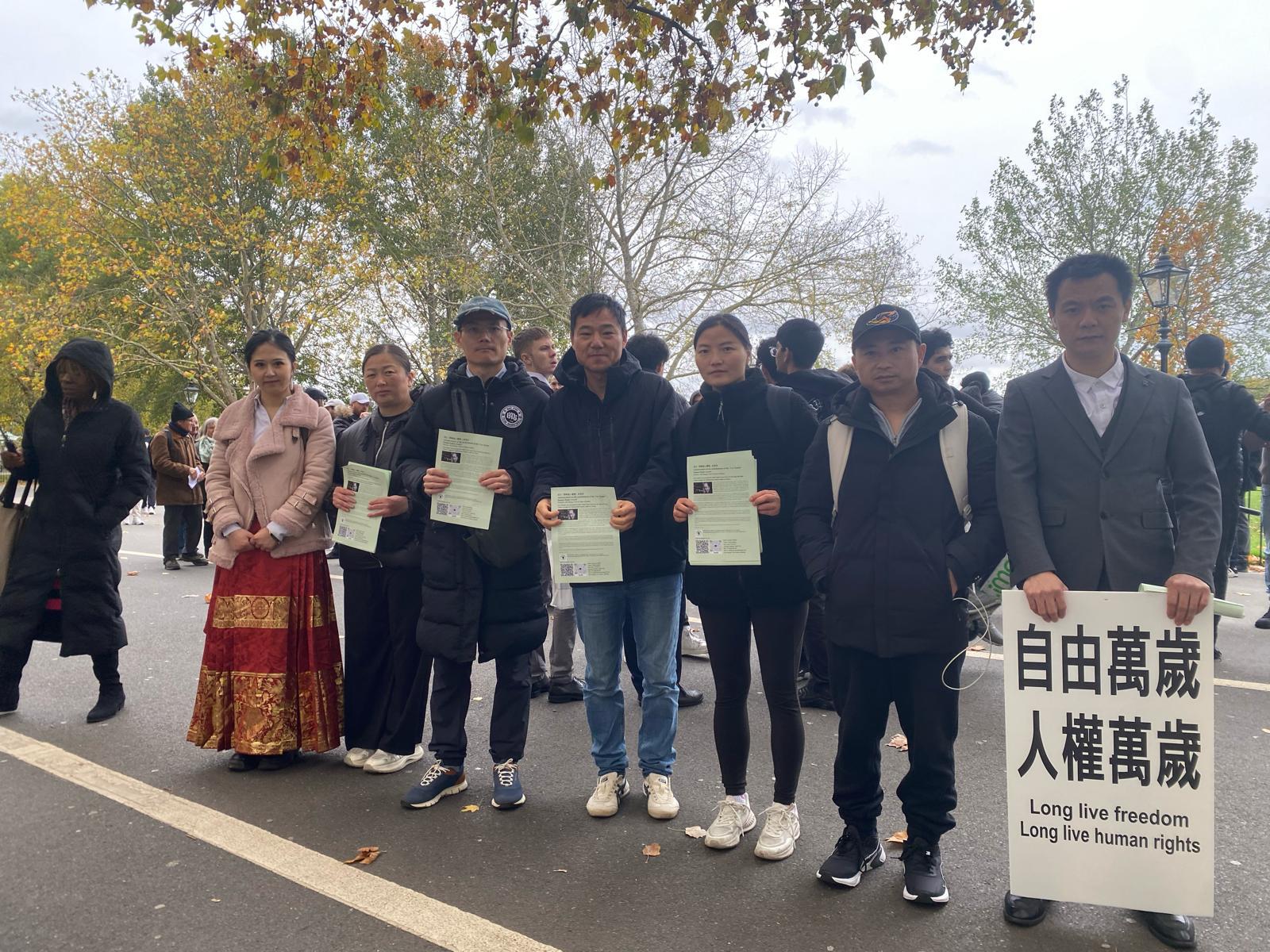
在这片以自由言论闻名于世的土地上,中国民主党英国总部的志愿者们顶着刺骨寒风,于“演讲者之角”(Speakers’ Corner)发起了为 “刘晓波人权奖” 募款的街头行动。
他们在秋风中支起展板,搭起募捐箱,手中传单被风掀得猎猎作响。
然而,没有一人退缩。每一次讲述、每一次递出传单、每一次目光的交汇,都在寒风中点燃着信念的火光。
这是一次行动,也是一场无声的告白——告白于自由,告白于真相。
舌战群儒:思想的火焰与媒体的镜头
海德公园的“演讲者之角”自十九世纪以来,一直是自由言说的象征。那里的空气,似乎永远带着辩论的火气与思想的温度。
这一天,中国民主党的蓝白旗帜在风中猎猎作响,吸引了众多来自不同国家的听众与媒体记者。
最初的提问带着疑惑:“中国如今经济强盛,科技腾飞,人民生活改善——为何还要谈民主与人权?”
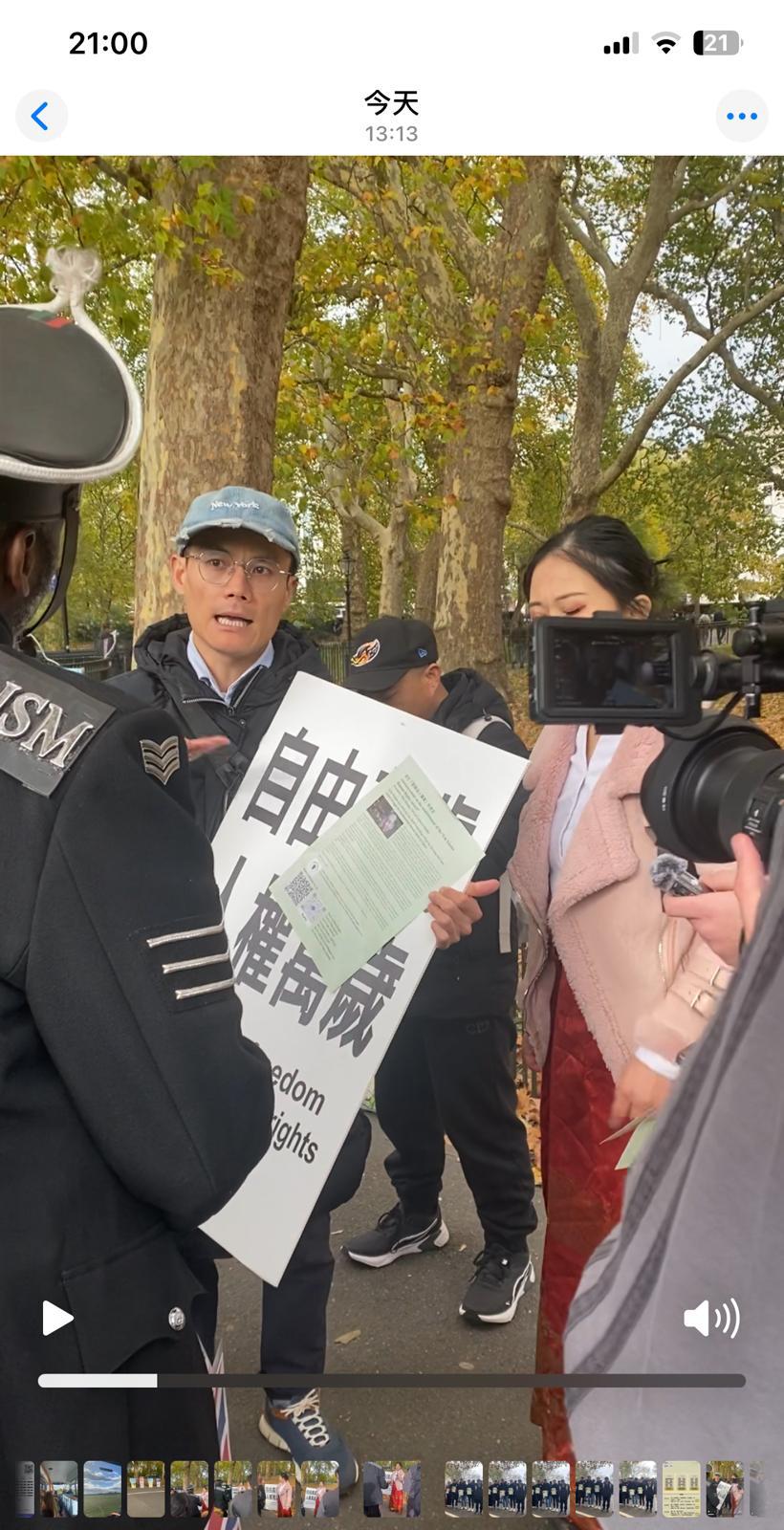
街头活动总指挥 王魏晋 面对围拢的记者与路人,语气平和却铿锵有力:
“真正的强盛,不是GDP的数字,而是一个国家是否允许人们自由地表达不同的思想。
在中国,成千上万的人因为言语、因为信仰、因为追求真相而失去自由。
我们来到这里,不是为了谴责谁,而是为了让世界听到那些被掩埋的声音。”
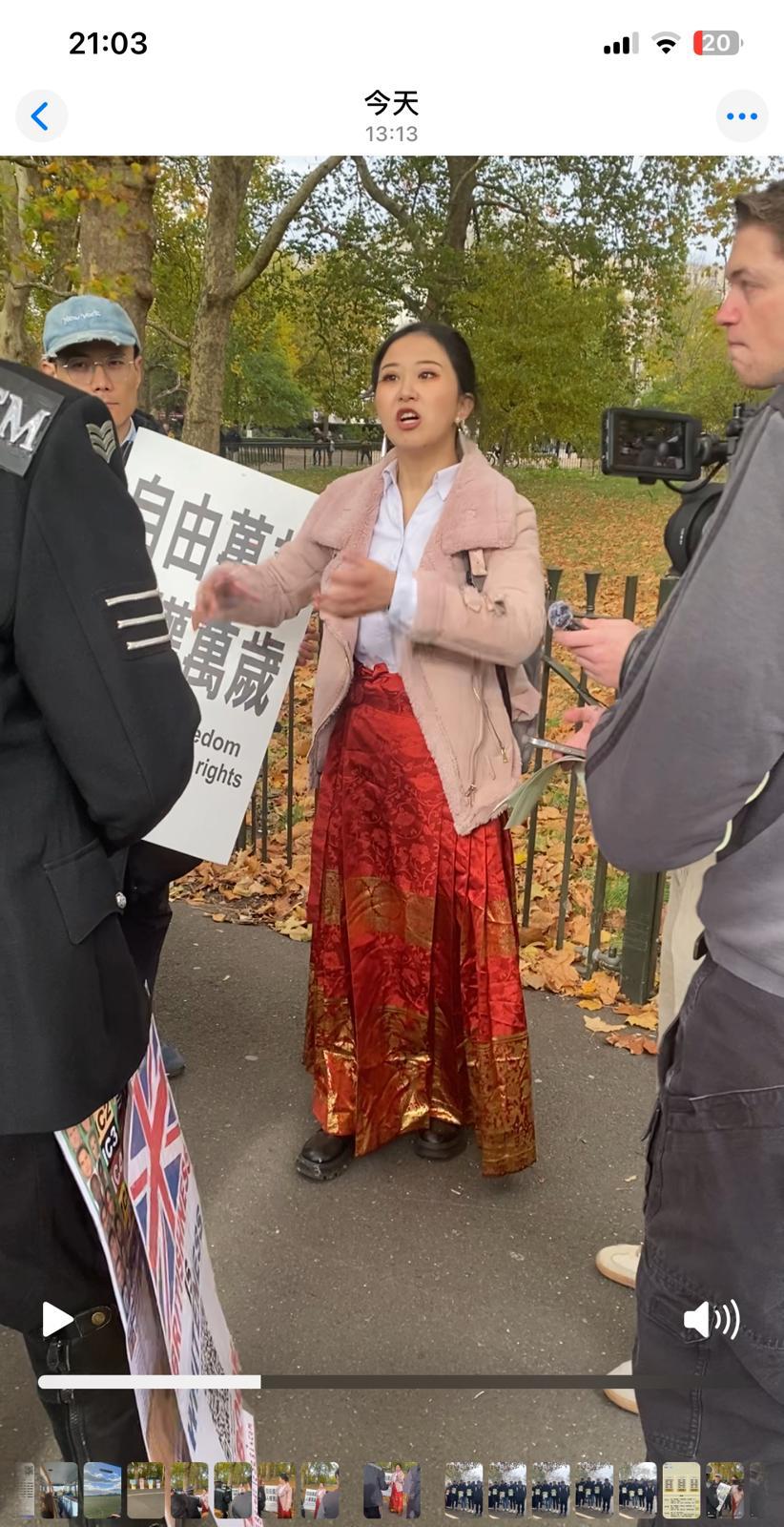
几家国际媒体记者随即架起摄像机,对胡晓、王魏晋和其他志愿者进行了采访。
手机直播镜头同步传向社交网络,观众的留言实时滚动:“他们来自中国?他们在伦敦为自由发声?”
风声中,话语被放大,也被记录。
志愿者 胡晓 随后登上简易木台,迎着风与镜头,以流利的英语回应着一个又一个质问。
她说:“经济的繁荣不能掩盖思想的禁锢。
当一个人不能自由发声,不能选择自己的领导人,无论他的口袋多么充实,他依旧是不自由的。”
胡晓的声音清澈、坚定,如利刃划开寒雾。她以事实与逻辑层层剖析中国的言论审查、司法不公与政治迫害,驳斥了“人权已改善”的论调。
她的语言理性而富于情感,使得原本对中国问题模糊的听众,开始重新思考“发展”与“自由”之间的真正界限。
记者们记录下每一句话,有人做了现场直播,有人当场表示将撰文报道。
围观的听众中,不少人沉默良久,随后投表示支持,或轻声说:“谢谢你们,让我听到了另一种中国的声音。”
延续与信念:从街头到良知的
UK Headquarters of China Democracy Party Holds Fundraising Event at Hyde Park’s Speakers’ Corner — Conscience and Freedom in the Cold Wind
London, October 26, 2025 —
October’s chill cut through London like a blade. Cold winds swept fallen leaves across Hyde Park, and the low clouds pressed heavily over the city, with temperatures hovering close to freezing.
On this historic ground — a cradle of free speech for more than a century — volunteers from the UK Headquarters of China Democracy Party braved the biting wind at Speakers’ Corner, launching a street fundraising campaign for the “Liu Xiaobo Human Rights Award.”
They set up display boards and donation boxes, their leaflets fluttering wildly in the wind.
Yet no one faltered. Every story told, every leaflet handed out, every exchange of eyes carried a spark of conviction amid the cold —
It was not only an act of protest, but a confession — a confession to freedom, and to truth.
Debate in the Wind: Flames of Thought and the Eyes of the Media
Since the nineteenth century, Speakers’ Corner has been a global symbol of free expression — a place where ideas clash and conscience speaks louder than fear.
On this day, the blue-and-white flag of the UK Headquarters of China Democracy Party waved defiantly in the cold wind, drawing the attention of bystanders and journalists alike.
The first questions came with doubt:
“China’s economy is strong, technology advanced, and living standards improved — why still talk about democracy and human rights?”
Wang Weijin, Street Action Commander of the UK Headquarters of China Democracy Party, stood before the gathered reporters and listeners. His tone was calm but firm:
“True national strength isn’t measured by GDP, but by whether people can freely express their thoughts.
In China, countless people have lost their freedom because of their words, beliefs, or pursuit of truth.
We are not here to condemn, but to let the world hear the voices that were silenced.”
Several international media outlets began filming, focusing their cameras on Wang Weijin, Hu Xiao, and other volunteers.
Live streams spread rapidly across social platforms, with messages pouring in:
“They’re from China? Speaking out for freedom in London?”
Amid the roaring wind, their voices were amplified — and recorded.
Volunteer Hu Xiao then stepped onto a small wooden platform, facing the cold air and the cameras. In fluent English, she responded to each question with composure and strength:
“Economic prosperity cannot conceal the imprisonment of thought.
When people cannot speak freely or choose their leaders, no matter how full their wallets are, they are still not free.”
Her clear, steady voice cut through the cold mist like a blade.
Through facts and logic, she revealed the realities of censorship, injustice, and political persecution in China, dismantling the myth of “improved human rights.”
Her reasoned yet passionate speech moved many who had previously viewed China only through the lens of economic development.
Journalists took notes, recorded interviews, and some promised to publish reports.
Among the onlookers, several people quietly donated or said, “Thank you for letting us hear another voice from China.”
Continuity and Conviction: From the Street to Conscience
