
伦敦,2025年11月14日(星期五)讯
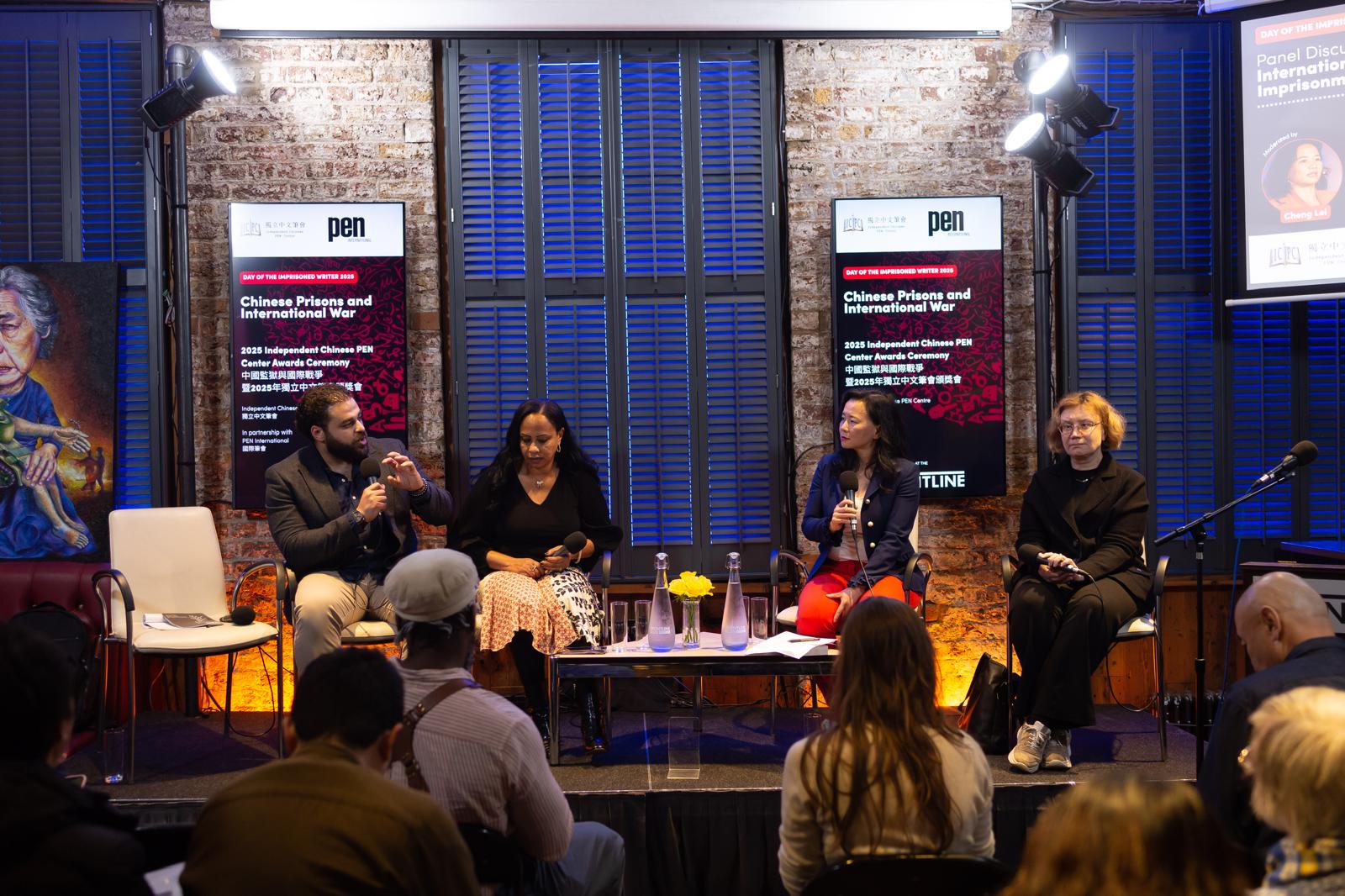
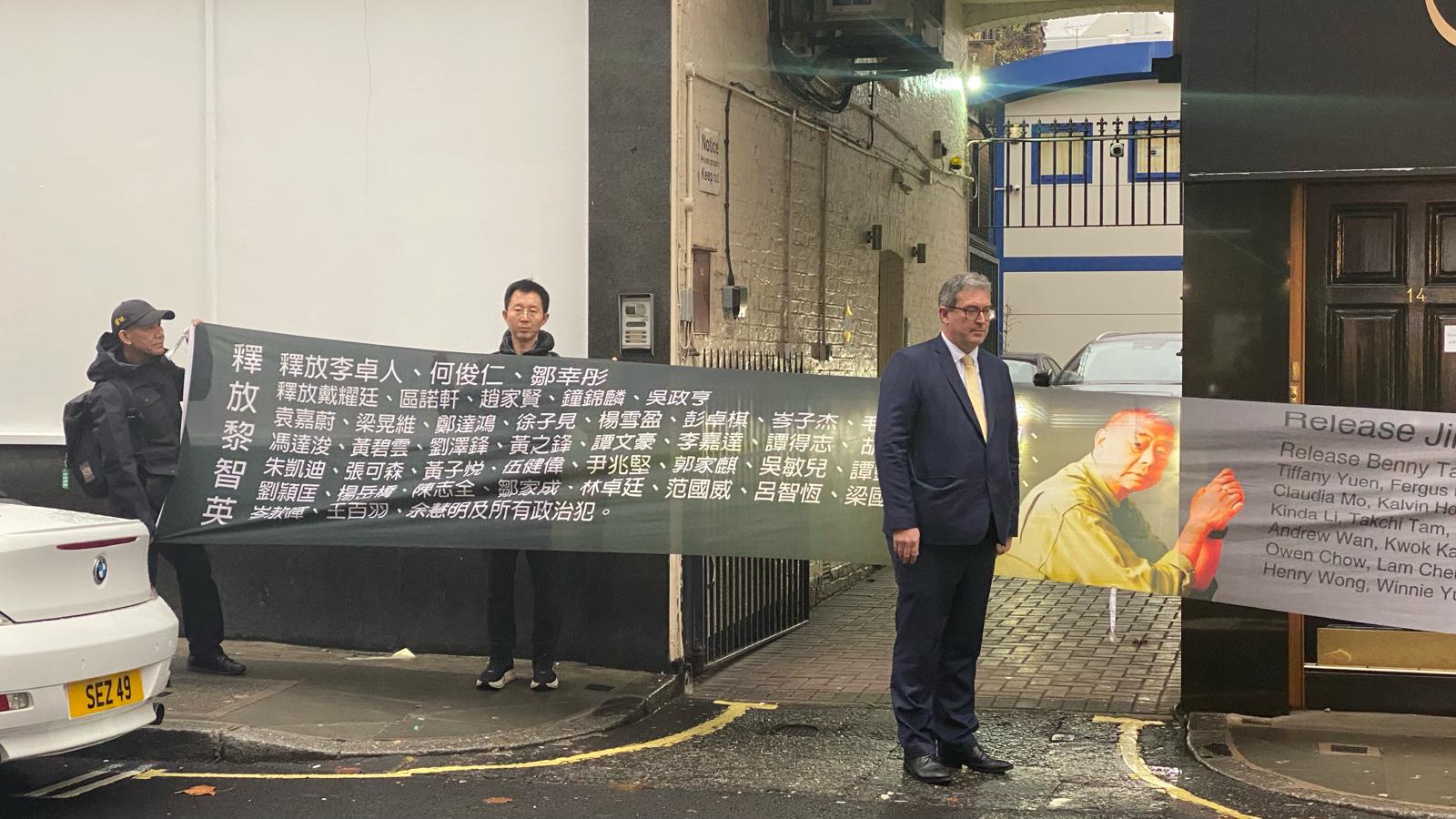
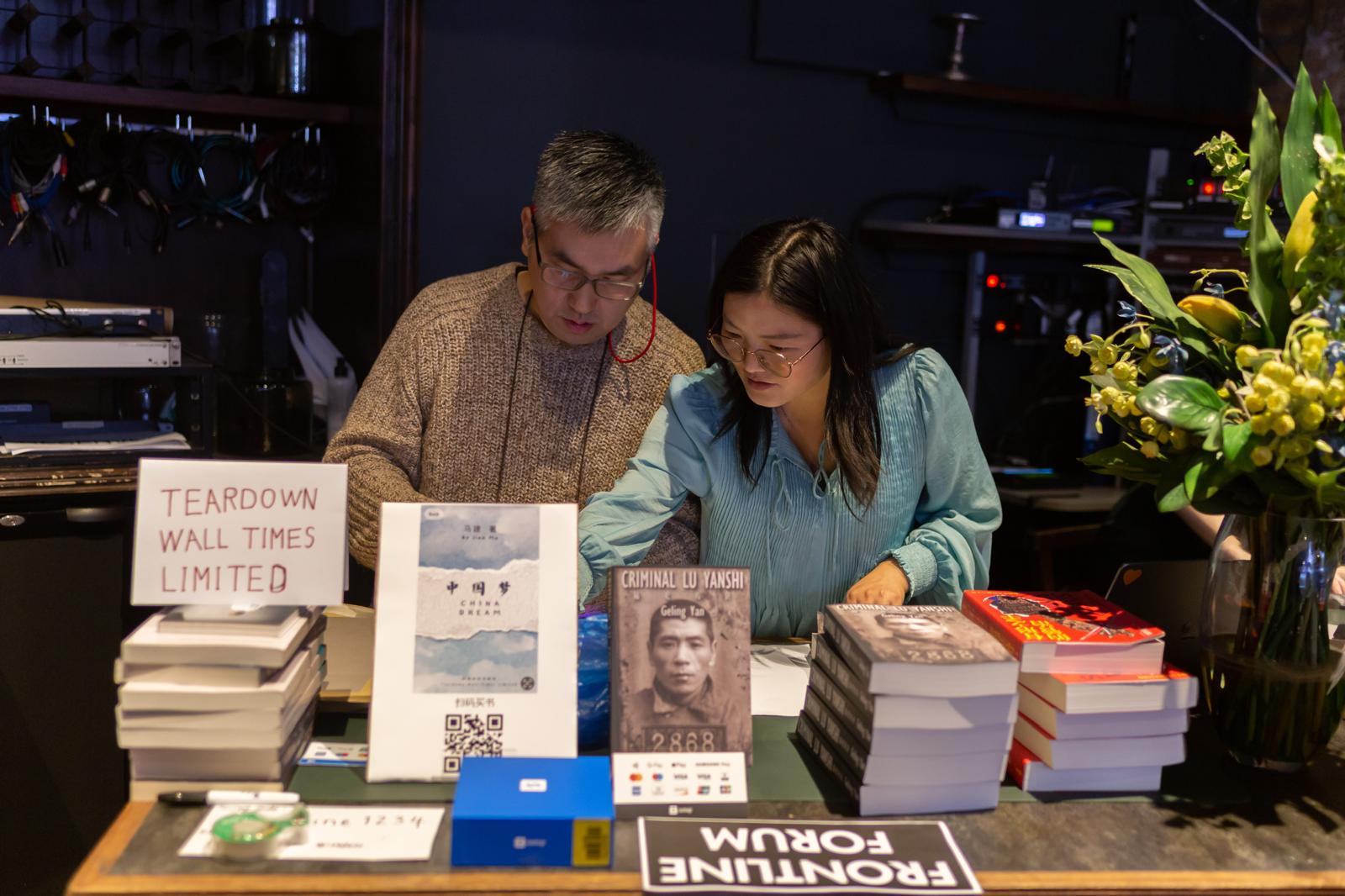
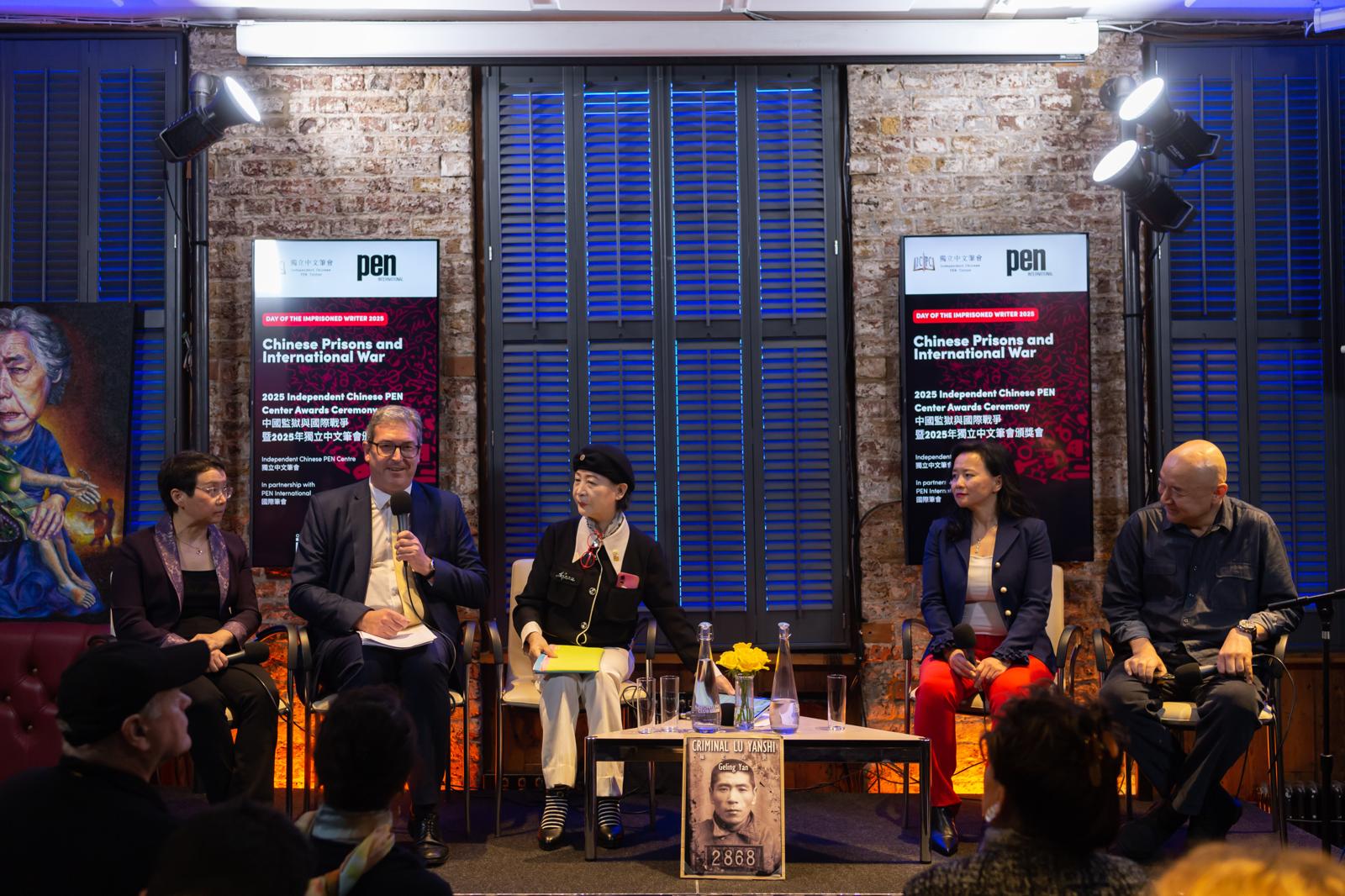
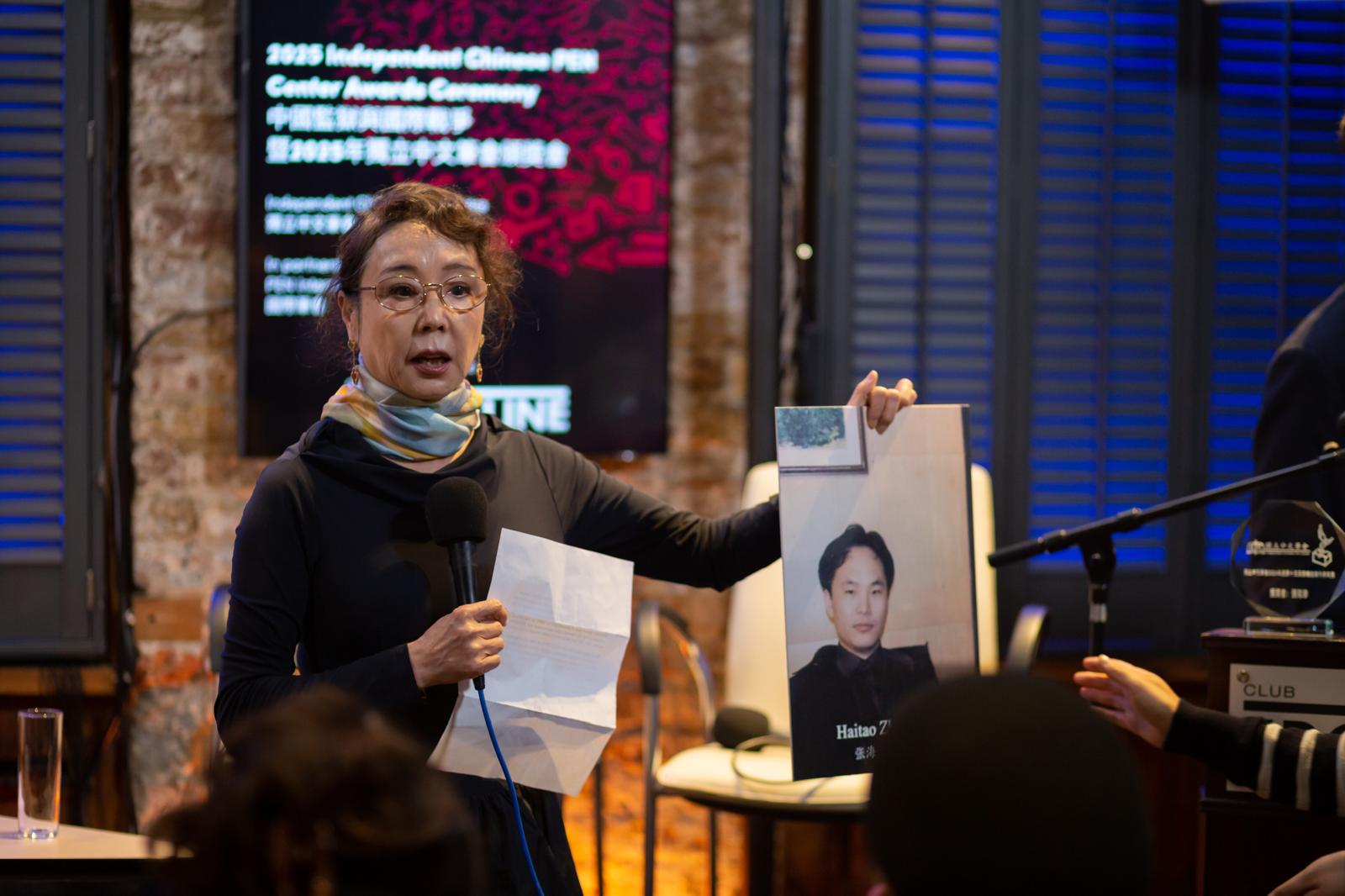
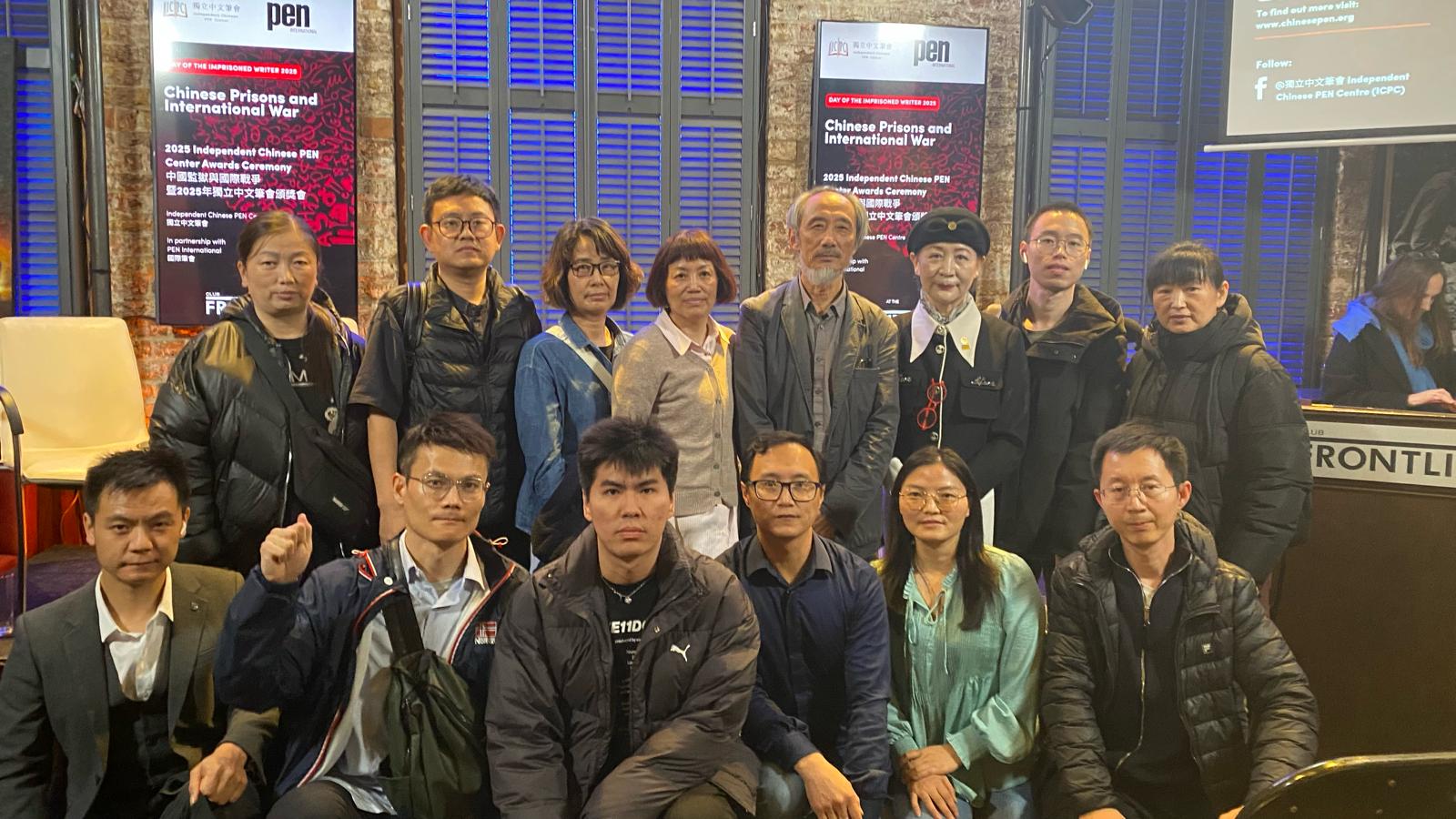
由独立中文笔会(ICPC)与国际笔会(PEN International)联合主办的专题研讨会 “中国监狱与国际战争” 今日在伦敦著名的媒体与人权公共讨论空间——前线俱乐部(Frontline Club) 举行。中国民主党英国总部多名党员应邀出席,与来自国际人权组织、媒体机构、大学研究者及流亡作家共同参与讨论。
⭐ 国际笔会“被监禁作家日”系列活动之一
本次研讨会为国际笔会年度“被监禁作家日”(Day of the Imprisoned Writer)系列活动的重要议程之一,旨在通过跨机构协作,关注全球受压迫的作家、记者、人权捍卫者,并特别聚焦中国监狱体系中的文字工作者与政治犯。
会场于下午1时正式开放,参会者陆续入场,前线俱乐部一楼会议厅座无虚席。墙面屏幕滚动播放近年全球被监禁作家的信息卡片,其中包括中国境内多名因写作、倡议或公民行动而被判刑的个案。
🕊 开幕致辞:文学作为见证与抵抗
会议由马健与盛雪主持,独立中文笔会代表随即发言,指出中国监狱体系中对思想犯、表达犯的打压仍在持续,“从诗人、独立记者,到维权律师,许多人仅因文字与言论被拘禁。我们必须持续让世界听见他们的声音。”
🔍 专题一:被监禁作家与记者——中国监狱墙后的现实
首个专题论坛以“被监禁作家的处境”为主题。人权法律专家、前政治犯家属、媒体研究学者依次发言,从制度、案例与国际趋势论述现况:
• 中国监狱体系对涉“表达罪”者的管理方式
• 信息封锁与秘密审判对外界监督的挑战
• 家属探视受限与律师介入难题
• 文学作品、狱中手稿的保存与传播困难
中国民主党英国总部参会党员表示:“监狱里的人不仅被限制自由,也被限制思想的存在。我们有责任在海外继续讲述他们的故事。”
会议现场播放多段访谈纪录片,呈现出境外流亡写作者对狱中友人的口述回忆,引发多名听众动容。
🌍 专题二:威权主义与战争时代的言论空间收缩
第二部分聚焦“威权主义扩张与全球战争环境对言论自由的冲击”。来自乌克兰、安哥拉、中亚地区的流亡作家及记者分享了他们在战争或威权环境下进行写作与报道的经历:
• 战争如何成为国家压制不同声音的借口
• 军事冲突下新闻采集的危险性
• 信息战、宣传战对公共真相的侵蚀
• 国际媒体机构在冲突区域的角色与局限
中国民主党参会成员在互动环节中指出:“当一个国家内部缺乏新闻自由时,战争叙事往往完全被控制。声音越少,暴力就越容易发生。”
🤝 圆桌对话:跨国合作与未来行动
在最后一节圆桌讨论中,来自多个国家与机构的参与者共同讨论“国际合作机制”的构建与未来方向。主要议题包括:
• 国际笔会网络在个案救援中的作用
• 海外华语写作者群体在记录与倡议中的责任
• 学术界与媒体界在冲突叙事中的合作模式
• “被监禁作家日”未来一年的行动规划
多家国际人权组织代表表示,将持续关注中国监狱体系中涉及写作、表达与倡议活动的政治案件,并将继续与独立中文笔会合作发布年度关注名单。
🏁 活动在沉重与希望交织中落幕
会议于下午5时正式结束。参会者在会场外继续交流,部分机构计划在未来数周展开联合声明、个案倡议或研究合作。
中国民主党英国总部参会者表示,此次会议不仅是跨界交流的平台,也让国际社会继续关注中国监狱体系中写作者与言论犯的处境。“只要仍有人因表达而被囚禁,我们就应继续发声。”
📌 中国民主党英国总部组织信息
中国民主党英国总部组织信息
组织者
• 中国民主党英国总部街头活动总指挥:王魏晋
• 中国民主党英国总部街头活动副总指挥:卢灵飞、范可为
党员参与名单
· 王魏晋
· 卢灵飞
· 范可为
· 张学美
· 程敏
· 许少男
· 韦崇华
· 赵武
· 成小丹
· 俞杰辉
· 吴志芬
· 丁晨光
· 黄晓凤
· 杨沁龙
· 温作团
· 成亚利
Members of the UK Headquarters of China Democracy Party Attend Joint Seminar of Independent Chinese PEN Centre and PEN International —“Chinese Prisons and International War”
London, Friday, 14 November 2025 —
A major thematic seminar titled “Chinese Prisons and International War”, jointly organised by the Independent Chinese PEN Centre (ICPC) and PEN International, was held today at London’s renowned venue for media and human-rights discourse — the Frontline Club.
Several members of the UK Headquarters of China Democracy Party were invited to attend, joining international human-rights organisations, journalists, academics, and exiled writers for a series of in-depth discussions.
Part of PEN International’s Annual ‘Day of the Imprisoned Writer’ Programme
The seminar formed a key component of PEN International’s annual Day of the Imprisoned Writer, aimed at supporting persecuted writers, journalists, and human-rights defenders worldwide, with particular focus on imprisoned authors and political detainees inside China.
The venue opened at 1:00 pm. Attendees filled the first-floor hall of the Frontline Club to capacity.
Digital displays on the surrounding walls showed information cards about imprisoned writers from around the world — including many in China detained for their writing, advocacy work, or civic engagement.
Opening Remarks: Literature as Witness and Resistance
The event was hosted by Ma Jian and Sheng Xue.
Representatives of the Independent Chinese PEN Centre delivered opening remarks, stressing that repression against writers of conscience in Chinese prisons continues unabated:
“From poets and independent journalists to rights lawyers, many are detained solely for their words.
We must ensure the world continues to hear their voices.”
Panel One: Imprisoned Writers and Journalists — Realities Behind China’s Prison Walls
The first thematic session focused on “The Condition of Imprisoned Writers”.
Human-rights legal experts, family members of former political prisoners, and media scholars spoke in turn, addressing institutional, case-specific and global trends:
• The management and treatment of “expression-related offences” within China’s prison system
• How secrecy, censorship, and closed trials obstruct external monitoring
• Restrictions on family visits and barriers to legal representation
• The difficulties of preserving and circulating writings or manuscripts produced in prison
Members of the UK Headquarters of China Democracy Party stated:
“Those imprisoned are deprived not only of physical freedom, but of the space for thought itself.
We who live overseas have a responsibility to continue telling their stories.”
Documentary footage was screened, showing interviews with exiled writers recalling their friends still imprisoned in China, moving many attendees.
Panel Two: Authoritarian Expansion and Shrinking Space for Expression in an Era of War
The second major theme addressed the impact of authoritarianism and global conflicts on freedom of expression.
Writers and journalists in exile from Ukraine, Angola, and Central Asia shared their experiences reporting and writing under war or authoritarian suppression:
• How wartime provides governments with a pretext to silence dissenting voices
• The dangers journalists face during armed conflict
• The erosion of public truth through information warfare and propaganda
• The role and limitations of international media in conflict zones
Members of the China Democracy Party commented during the Q&A:
“When there is no press freedom, wartime narratives become completely controlled.
The fewer the voices, the easier it is for violence to occur.”
Roundtable Discussion: Cross-Border Cooperation and Future Action
In the concluding roundtable session, participants from various institutions discussed mechanisms for international collaboration and future strategies:
• The role of PEN International’s global network in case advocacy
• The responsibility of overseas Chinese-language writers in documentation and public advocacy
• How academia and the media can cooperate in conflict-related research
• Action plans for next year’s “Day of the Imprisoned Writer”
International human-rights organisations pledged continued monitoring of political cases in China involving writing, speech, or civic advocacy, and renewed cooperation with ICPC on annual watch lists.
A Closing Filled with Gravity and Resolve
The seminar concluded at 5:00 pm, but discussions continued outside the venue.
Several organisations expressed interest in issuing joint statements, initiating case-based advocacy, or launching collaborative research in the coming weeks.
Representatives of the UK Headquarters of China Democracy Party said the conference served not only as a cross-sector platform, but also as a reminder that the international community continues to pay attention to the plight of imprisoned writers and prisoners of conscience in China:
“As long as people remain imprisoned for expression, we must continue to speak out.”
Organisational Information — UK Headquarters of China Democracy Party
Organisers
• Wang Weijin — Director of Street Activities, UK Headquarters of China Democracy Party
• Lu Lingfei — Deputy Director
• Fan Kewei — Deputy Director
Participating Members
• Wang Weijin
• Lu Lingfei
• Fan Kewei
• Zhang Xuemei
• Cheng Min
• Xu Shaonan
• Wei Chonghua
• Zhao Wu
• Cheng Xiaodan
• Yu Jiehui
• Wu Zhifen
• Ding Chenguang
• Huang Xiaofeng
• Yang Qinlong
• Wen Zuotuan
• Cheng Yali
