113th Anniversary of the Republic of China: Rally Against the CCP, Defend Taiwan’s Democracy.
Author: Cheng Min, Member of the China Democratic Party (UK Headquarters)
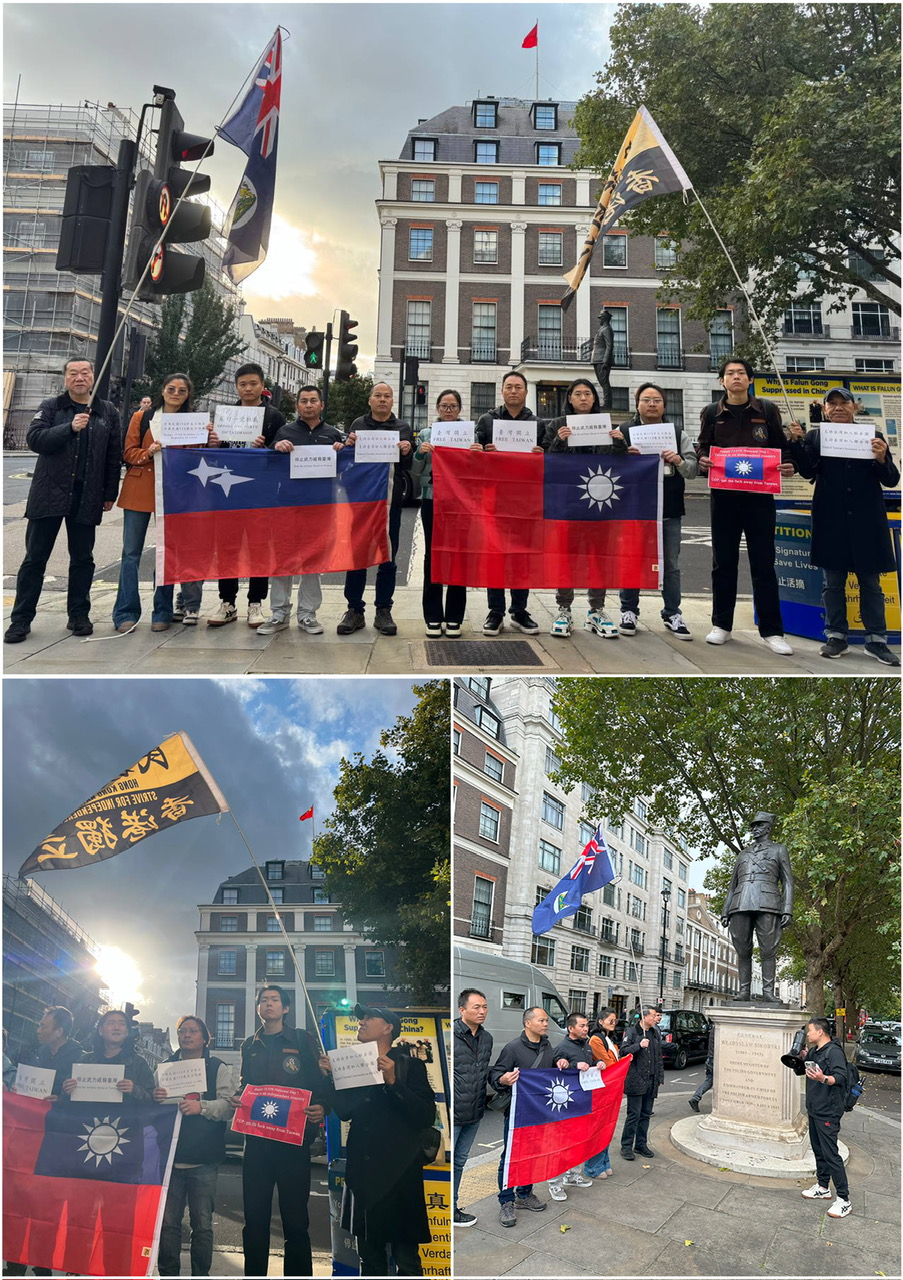
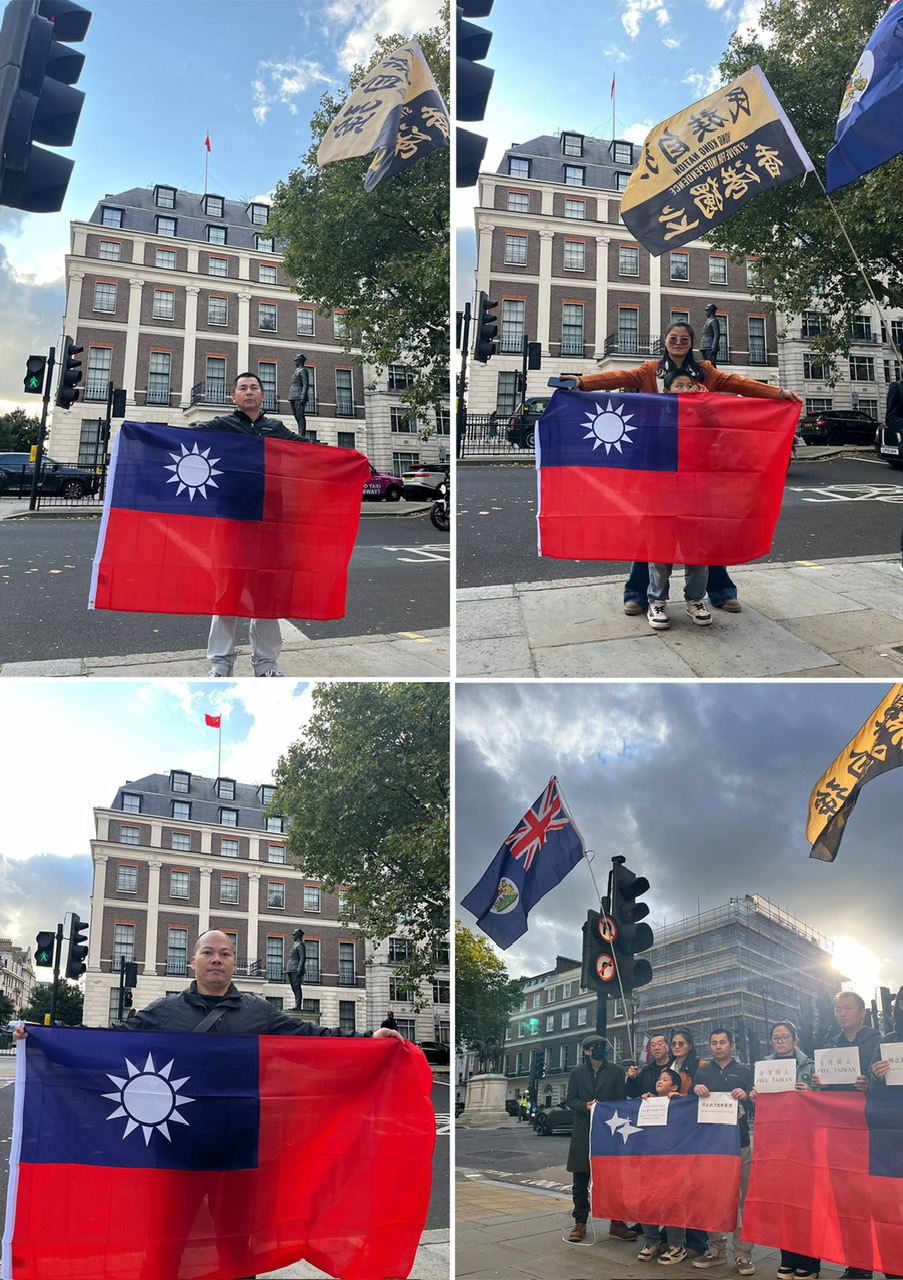
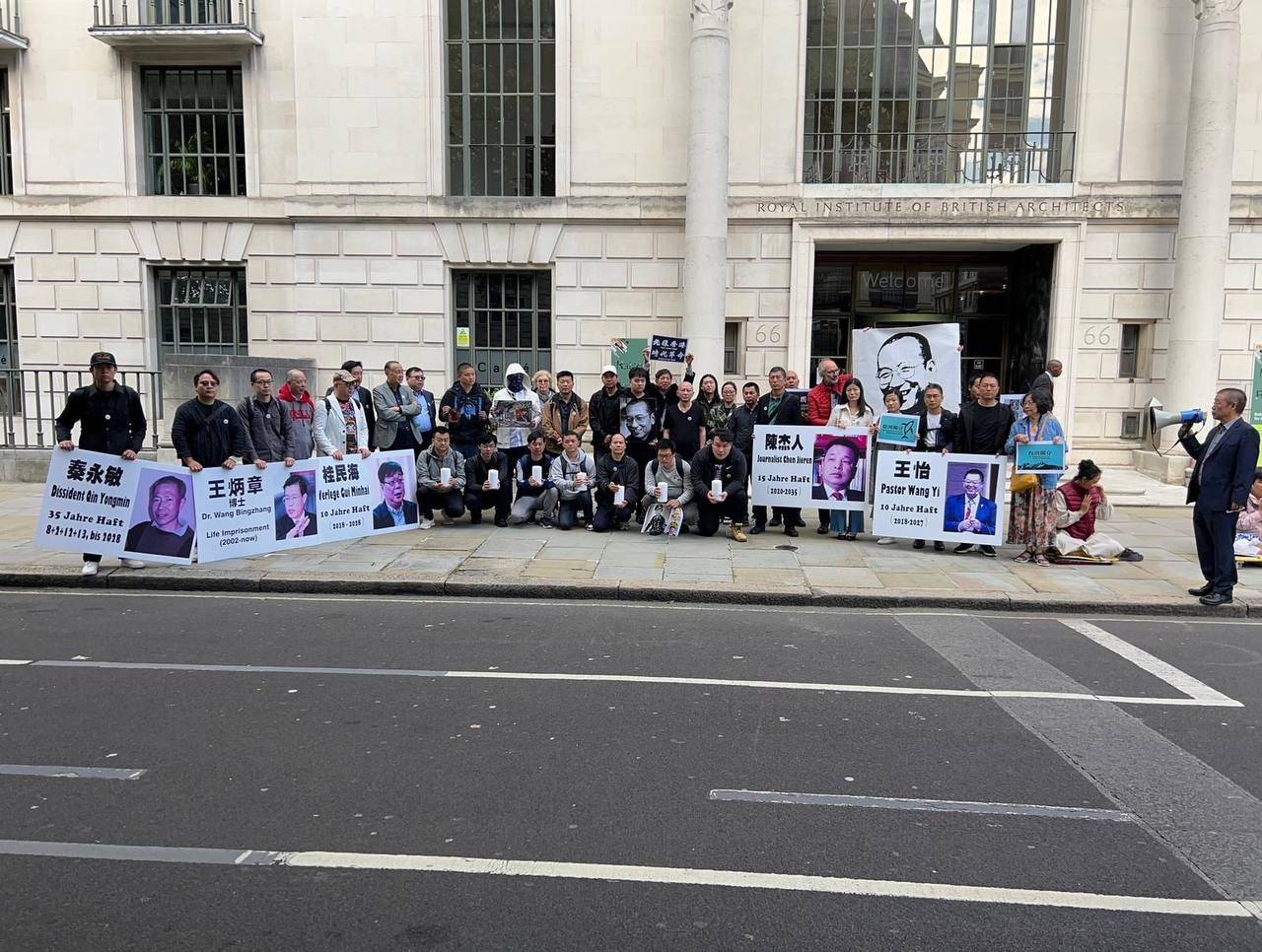
On October 10, 2024, in celebration of the 113th Anniversary of the Republic of China, several members of the China Democratic Party (UK Headquarters) held a rally outside the Chinese Embassy in London to strongly condemn the Chinese government for committing “aggression” in the name of “unification.” They demanded that the Chinese government immediately abandon all threats of military force against Taiwan, restore peace to Taiwan, freedom to Hong Kong, and power to the people.
At the scene, members of the China Democratic Party jointly raised the Blue Sky with a White Sun flag and the party flag, holding signs that read “Stop Military Aggression Against Taiwan,” “Taiwan Independence,” and “Support Taiwan’s Entry into the United Nations.” They shouted slogans such as “Down with the Chinese Communist Party,” “Taiwan Independence, Hong Kong Independence,” expressing our firm stance in protecting Taiwan’s democratic system and our strong indignation against the repeated military harassment of Taiwan by the CCP in recent years. Hong Kong democrats also spontaneously joined the demonstration, raising banners proclaiming “Hong Kong Independence.”
One of the organizers, member Cheng Min, spoke at the scene, stating that the Chinese government deliberately downplays the loss of vast territories such as Vladivostok and Outer Mongolia, even pretending to be deaf and mute, yet relentlessly pursues Taiwan. This is because Taiwan is the last remaining democratic regime of the Chinese people, which threatens the CCP’s ruling position and legitimacy. If the CCP dares to use military force against Taiwan, it will surely provoke the most severe sanctions from the international community and the most vigorous resistance from the Taiwanese people, potentially even leading to a war that could engulf the entire world.
Since the implementation of the “National Security Law” in Hong Kong four years ago, the once brilliant Pearl of the Orient has been completely tarnished by the hands of the dictator Xi Jinping. In today’s context, where the CCP has its eyes set on Taiwan, it is crucial to show them our unwavering attitude and determination to protect Taiwan. The China Democratic Party (UK Headquarters) will continue to call on Western society to pay more attention to the CCP’s threats to the values of freedom and democracy through various forms of activities. We firmly believe that, with the joint efforts of all democratic individuals, a long-lasting democracy, peace, and freedom will surely be realized in China, Taiwan, Hong Kong, and Tibet in the future!
Confusion and Reflection in the Pursuit of Chinese Democracy
Author: Cheng Min, UK Headquarters of China Democracy Party
Chinese people never hate privileges, but hate themselves for not having them. Nor do the Chinese hate people who are superior to them, but they hate themselves for not being superior to them. That is why Chinese people have been madly worshipping and obsessed with power for thousands of years. The vast majority of people under the dictatorship of the Chinese Communist Party (CCP), no matter whether they are middle or high ranking members of the CCP or small businessmen with a little bit of money outside the CCP, their hope for an egalitarian society is just ‘equality for everyone above the self, and a clear distinction between classes below the self’.
I often ask myself, as a ‘traitor, lackey and sellout’ with a ‘backbone in the back of his head’ in the eyes of the CCP and its supporters, do I really speak out for the cause of freedom and democracy in China? Or am I just resentful that the CCP is riding on my neck and enjoying privileges, and I want to resist? One day when the CPC dies, will I still be able to face all of you with the same impassioned and clear conscience as I do today, shouting together to overthrow dictatorship, democracy and freedom? I can only tell myself that resisting oppression and fighting for personal freedom is precisely for the sake of enabling everyone to live in a just and free environment, which is the essence of democracy and freedom.
My answer is no. On the one hand, the sense of justice in my heart tells me that I will always uphold the universal values of democracy, freedom and equality, and I hope that one day in the future, everyone in China will be equal, no one will think of themselves as ‘leeks’ any more, no one will worship or fear power, and everyone will have the ability to think and make judgements independently. The ‘digital Berlin Wall’ between the Chinese and the world will collapse, and China will be reborn with a perfect system of checks and balances on power and social institutions.
But on the other hand, my rational mind tells me that what I am talking about are not the promises that the CCP made to its people before it came to power? Are all CCP members thieves from the very beginning who try to deceive the people and steal power? Did not the vast number of CCP officials arrested for corruption have a passionate desire to benefit the people and build a better country when they were students? Then why did they all become part of this cancerous tumour of the CCP, and become rotten flies that parasitically feed on China?
Human beings are animals with the most complex emotions and desires, and they have to face countless variables and tests in their long lives. The human mind is also changing all the time. Leaving aside those evil people who have been corrupted by the temptations of the Chinese Communist Party (CCP), and who have done terrible things because they have succumbed to the power and sex trade, I have also been greatly shocked by the experience of Tang Yuanjun, one of the overseas pro-democracy leaders, who has been arrested recently, and who was forced to become a henchman of the CCP because of the unforgettable experience of his loved ones in his homeland. When you are faced with an enemy that is so shameless as to use the visitation rights of your loved ones in your homeland to wear down your will to resist, any righteous and fervent reasoning will seem pale and thin. The only use of the party oath at this point is to allow the organisation to draw a line under him in the name of ‘reneging’ on the oath. But you, me, and everyone else who is committed to the cause of democracy in China will probably face the same situation as Tang Yuanjun one day in the future.
Reality is crueler and more complex than ideals, and in the face of such reality, people’s beliefs are often not tested by threats and temptations. This does not mean that we should give up the ideal of pursuing democracy and freedom. On the contrary, it is precisely because of the cruelty of reality that we need to be even more vigilant against the corruption and suppression of human nature by the CCP system. Perhaps every one of us who pursues democracy cannot completely avoid the weaknesses of human nature, but it is this ability to constantly reflect and alert ourselves that is the essence of a democratic society, and the key to avoiding a repeat of Tang Yuanjun’s mistake!
Protest on China’s National Day, calling for human rights and freedom
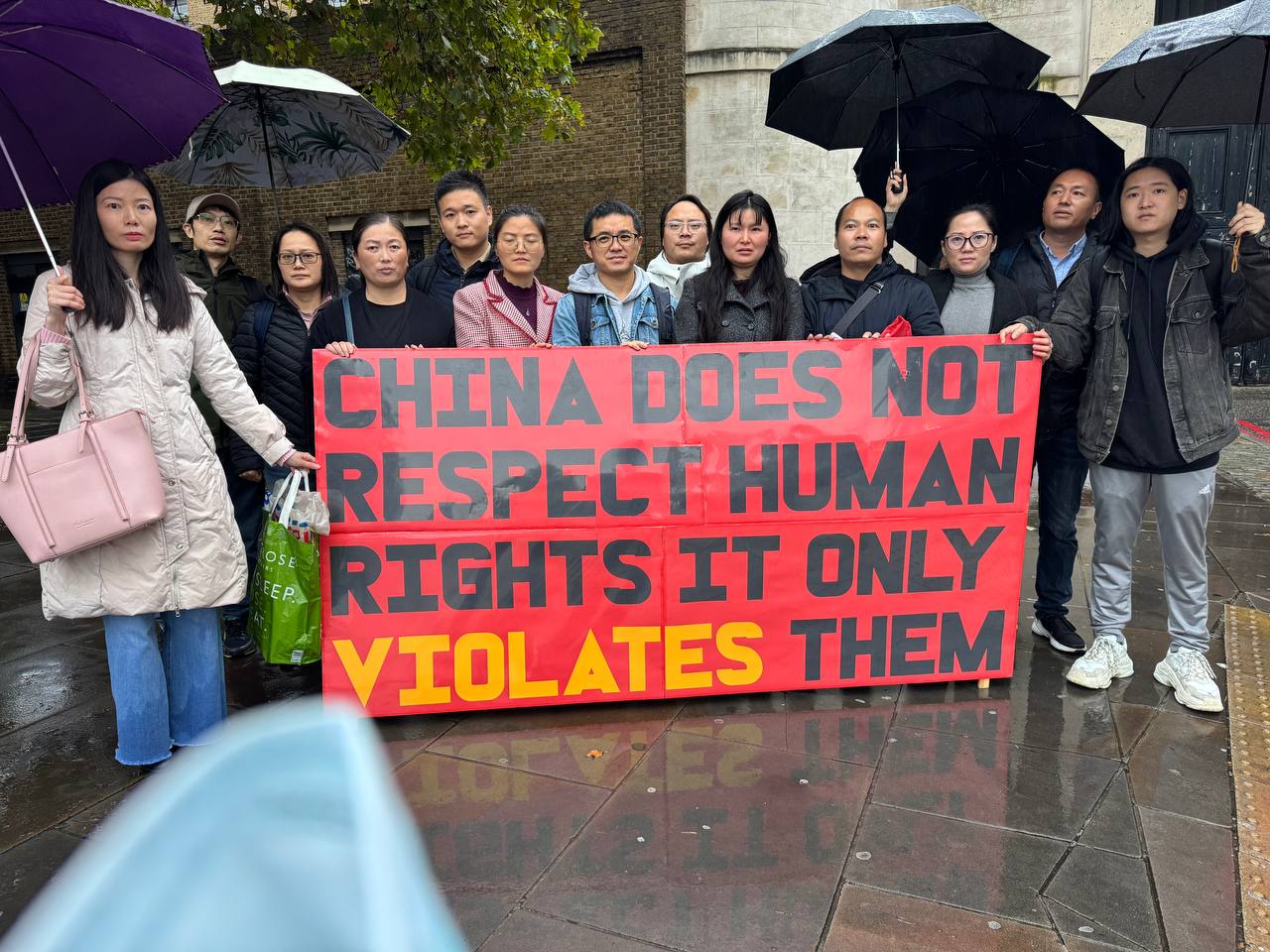
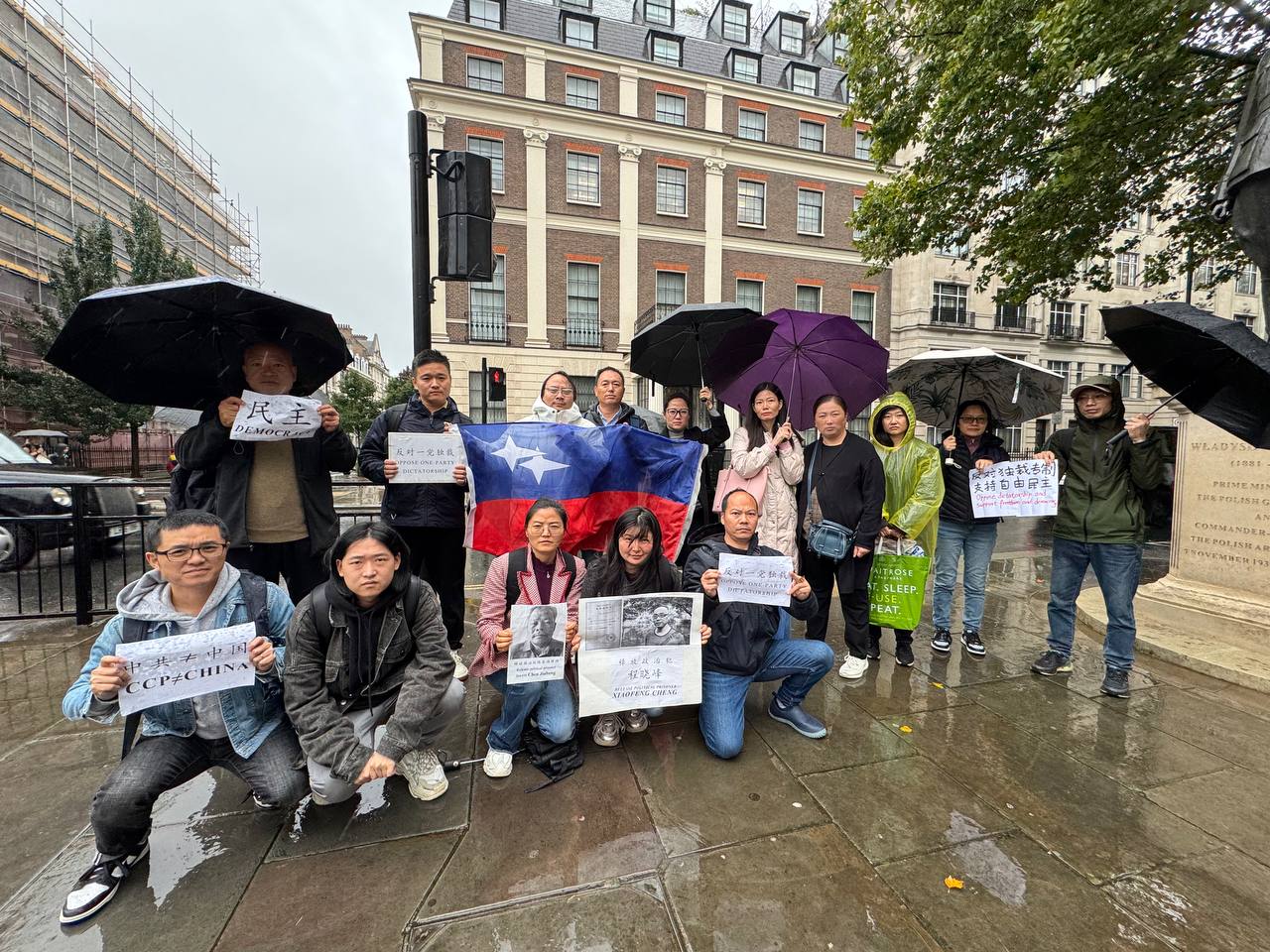
1 October 2024, UK Headquarters of China Democracy Party held a protest in front of the Chinese Embassy in London to express condemnation of the Chinese government’s human rights issues. They held banners and shouted slogans, calling on the Chinese government to respect human rights, release political prisoners, and call on the international community to pay attention to China’s domestic democratization process.
Later, members of UK Headquarters of China Democracy Party went to the new site of the Chinese Embassy to participate in the protest organized by Hong Kong and Tibetans.
Wei Chenyu, the organizer of this protest, said that the choice of October 1, a special day, to hold a rally is intended to send a clear message to the world: the Chinese government still ignores the basic rights of its people while celebrating the anniversary of the founding of the People’s Republic of China. During the event, protesters held banners and slogans with words such as “Release prisoners of conscience”, “End speech control” and “Give me freedom”, and kept shouting slogans such as “End one-party dictatorship” and “Pursue freedom and democracy”.
The Chinese government’s long-term suppression of dissidents and disregard for human rights have made us Chinese living abroad feel sad. We hope that through this event, the Chinese government will understand that we will not give up the pursuit of freedom and democracy. We also hope that the international community will give more attention and support.
Participating party members: Li Haobo, Zhou Xiaobin, Cheng Xiaodan, Cheng Min, Yu Bin, Wei Chenyu, Lin Lijun, Wang Jian, Jin Xuezhen, Cheng Yali
Author Wei Chenyu, member of UK Headquarters of China Democracy Party.
Members of the China Democracy Party’s UK Headquarters Attend the “Four Noble Truths” Practice Lecture
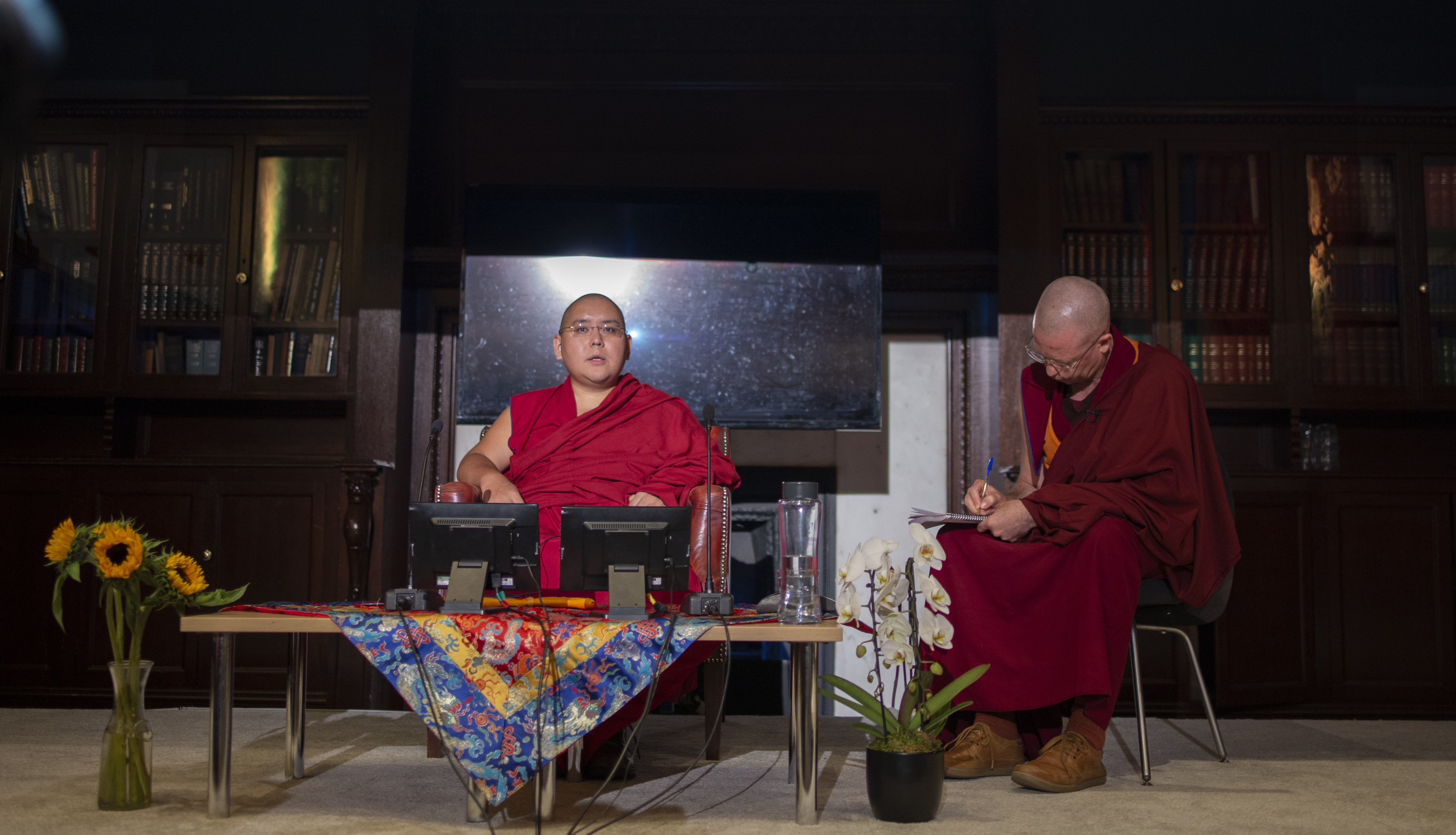
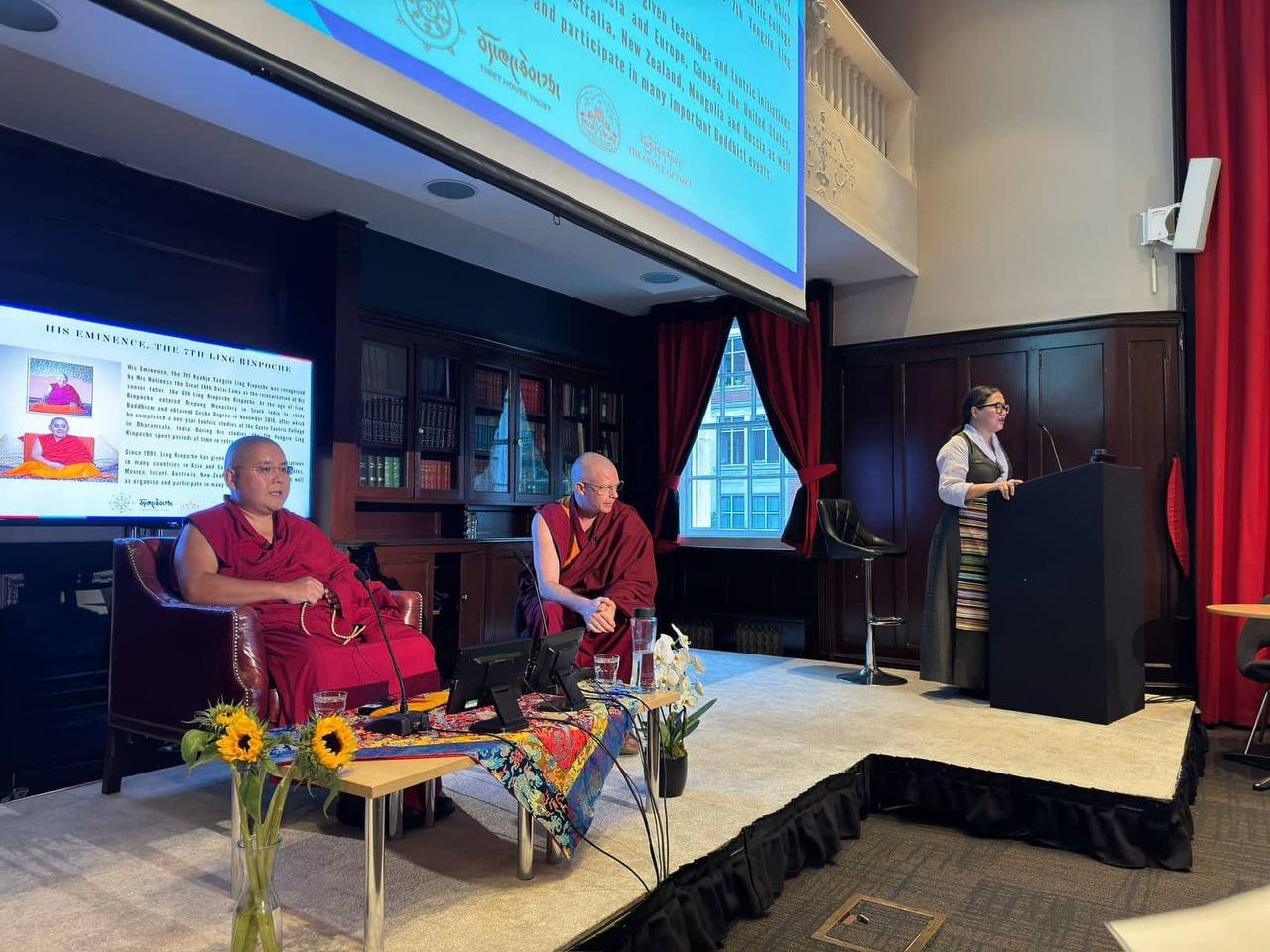
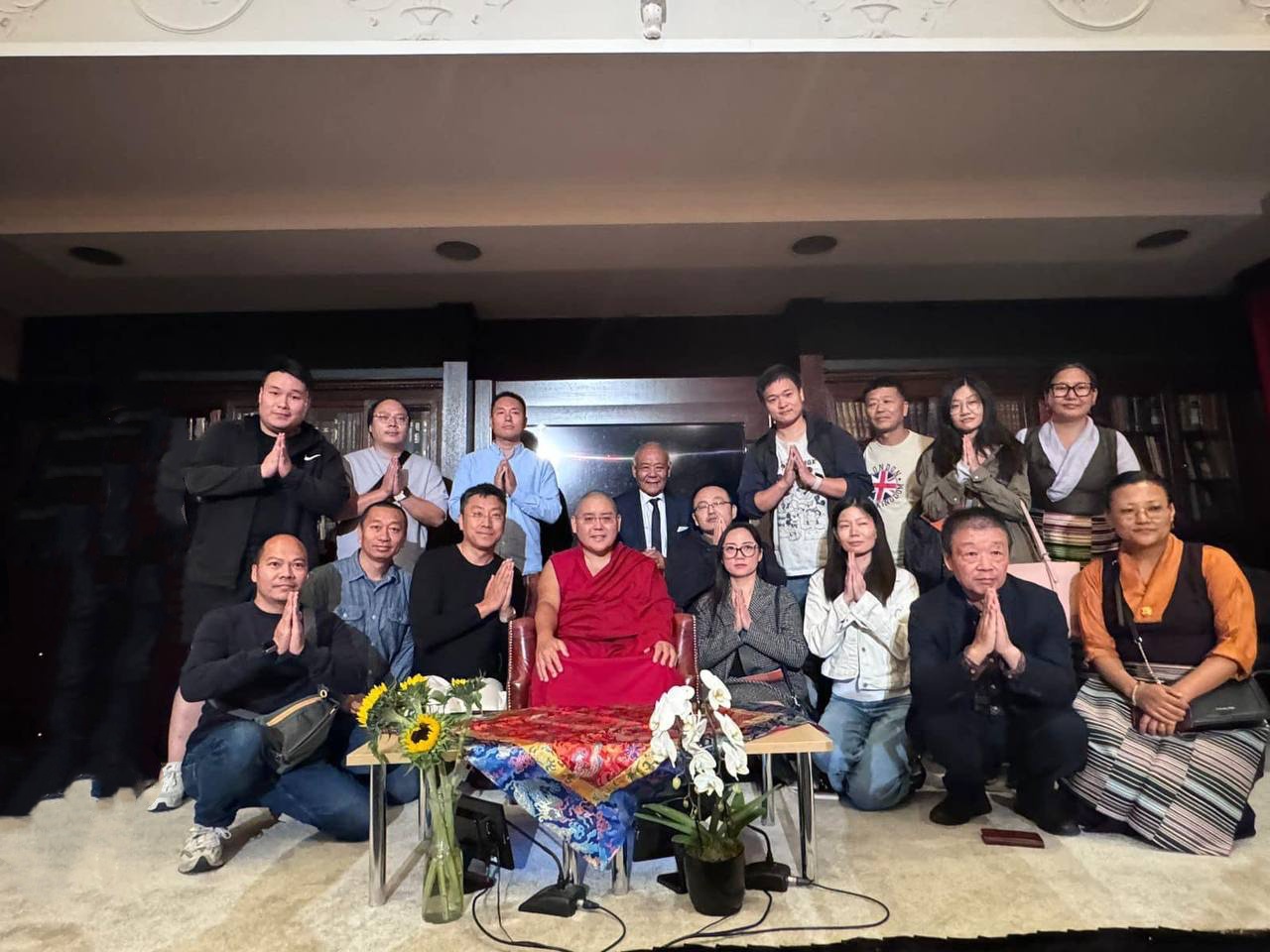
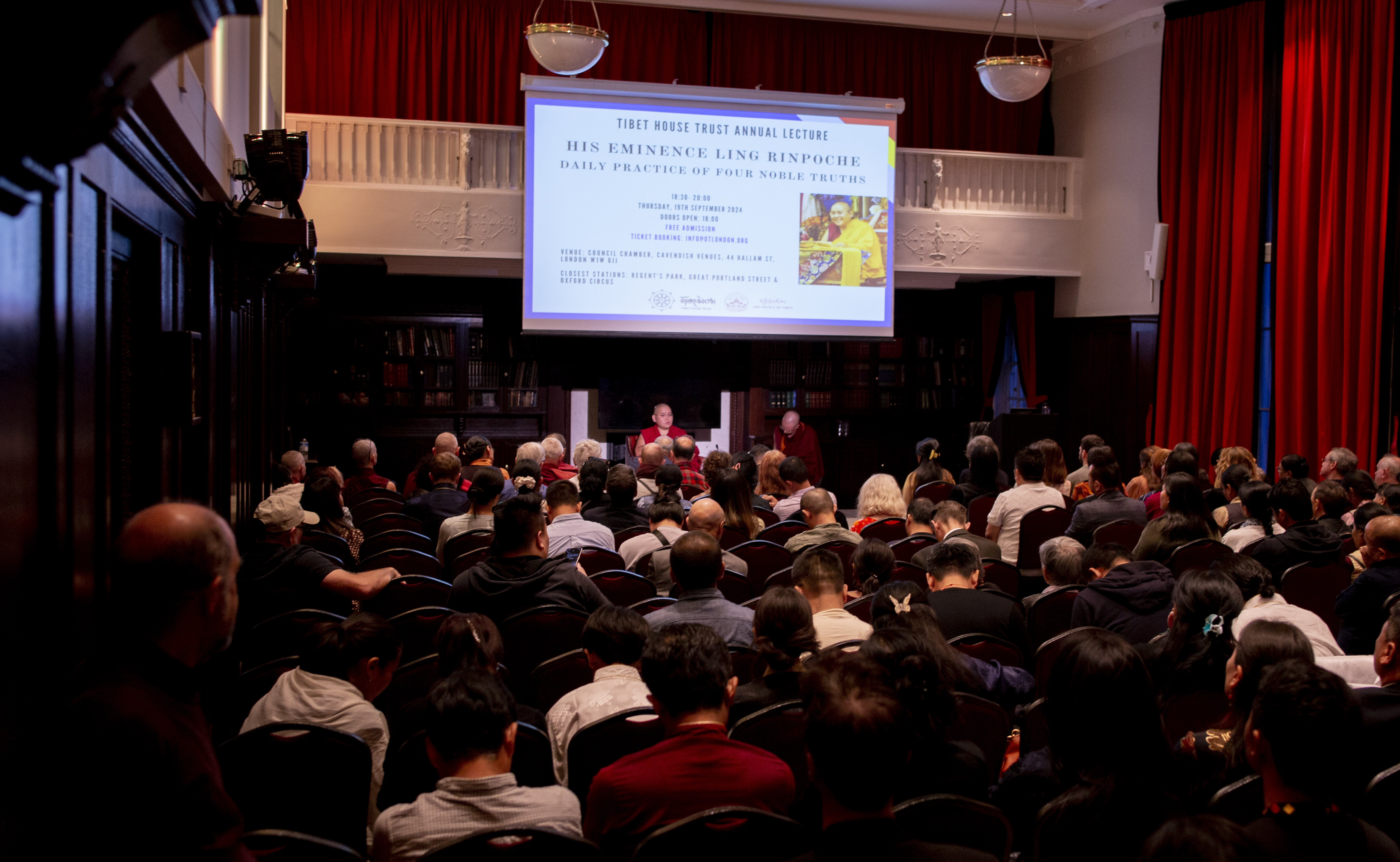
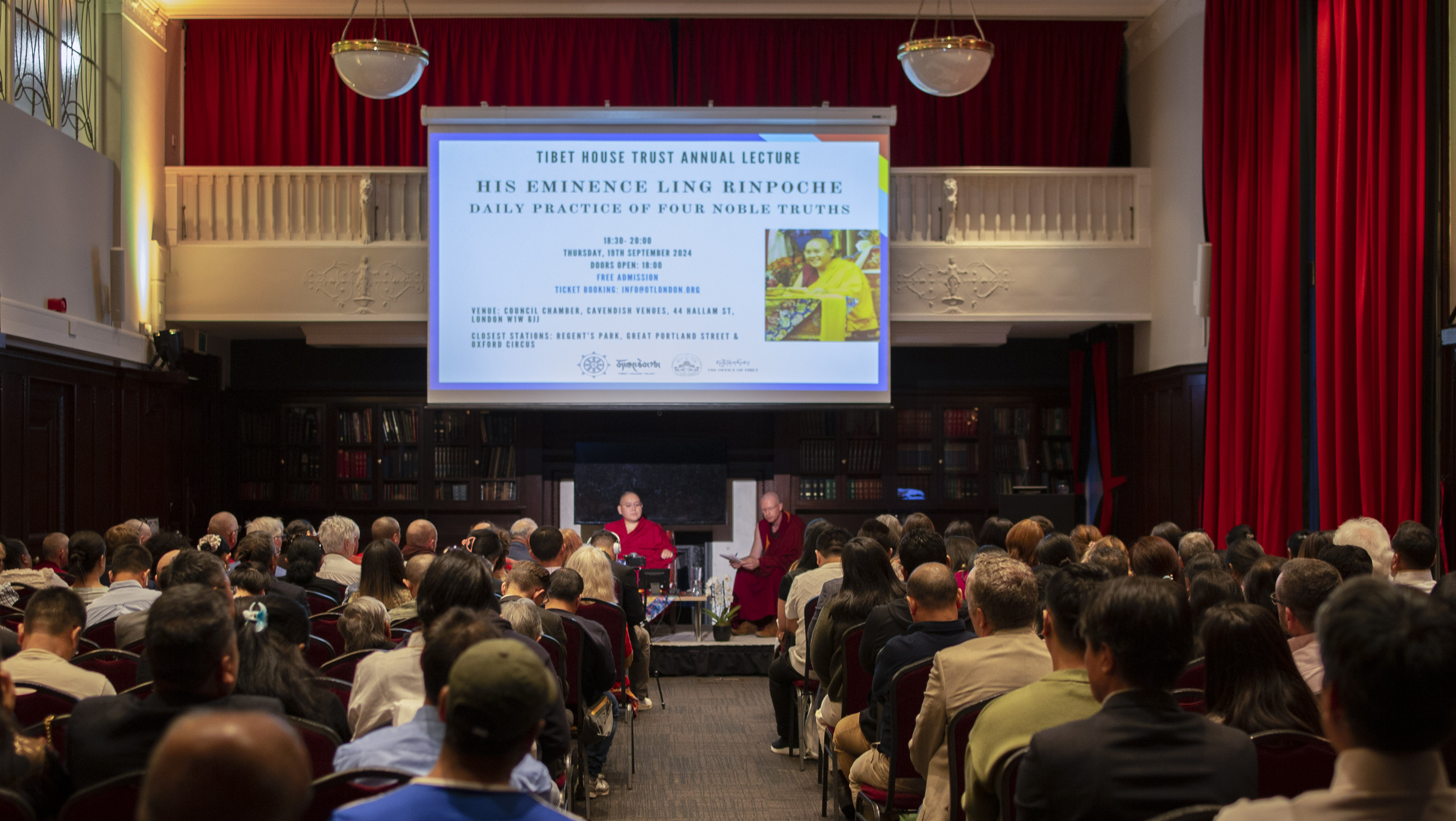
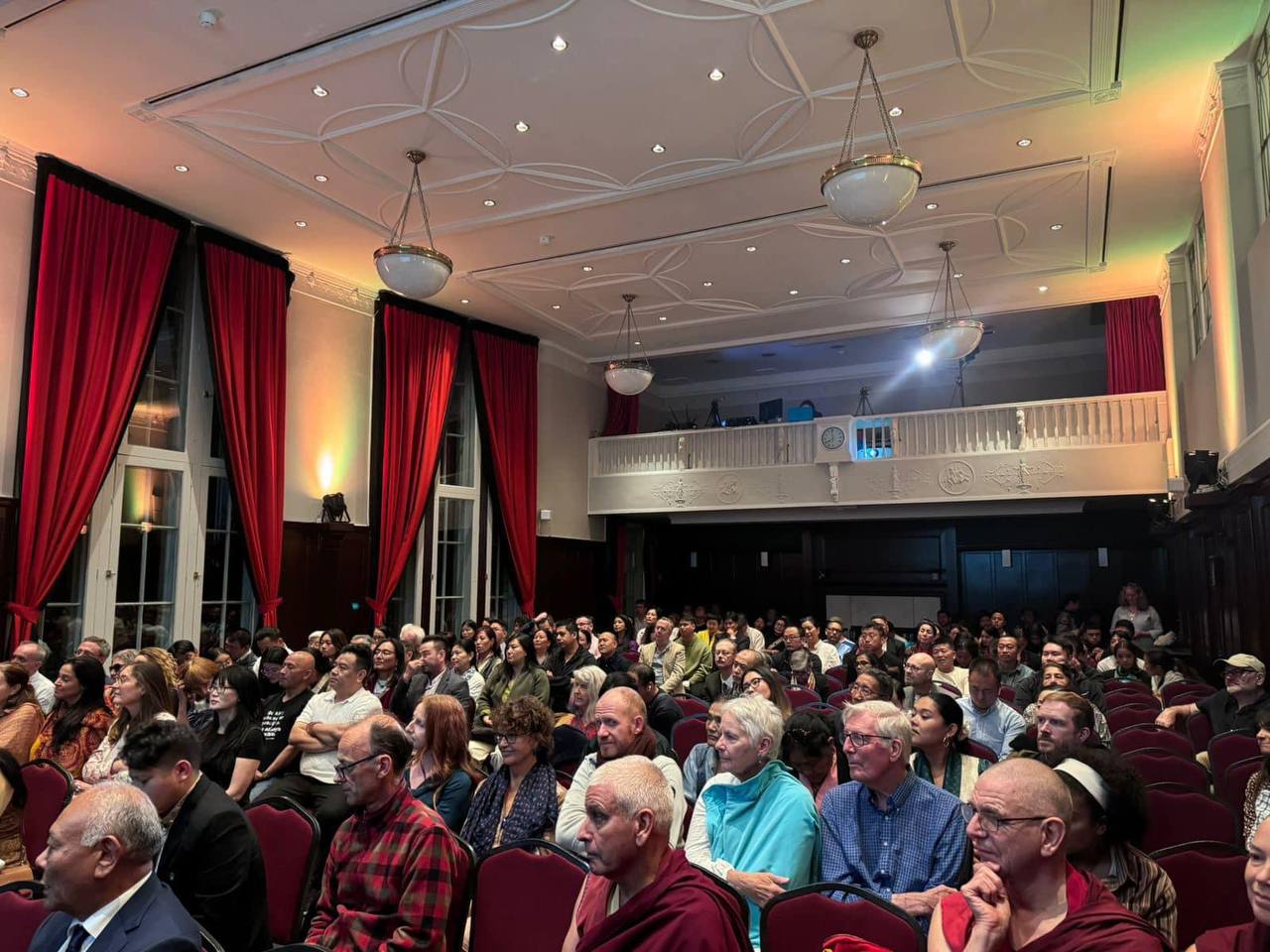
On Thursday, September 20, 2024, a special lecture on the daily practice of the “Four Noble Truths,” led by the renowned Tibetan Buddhist leader, the 7th Ling Rinpoche, was held at the Cavendish Venues Conference Hall. Several members of the China Democracy Party’s UK headquarters and many Chinese buddhists participated in the event. During the lecture, the 7th Ling Rinpoche emphasized the core teachings of the Four Noble Truths in Tibetan Buddhism—suffering, its origin, its cessation, and the path (dukkha, samudaya, nirodha, and magga). He stressed that suffering is an unavoidable reality of life. Through spiritual practice, one can recognize and dissolve suffering, maintaining inner peace and tranquility amidst the complexities of social life.
Additionally, the lecture explored how practicing the “path” can help overcome life’s challenges and difficulties. Drawing from his extensive knowledge of Buddhist teachings and real-life examples, Rinpoche offered the attendees practical methods for spiritual practice. More than 100 people attended the event, and due to the large number of participants, some had to stand while listening to the teachings. The atmosphere was peaceful and serene, with attendees attentively listening to the 7th Ling Rinpoche’s teachings. During the Q&A session that followed, participants actively engaged with Rinpoche and took photos with him.
The 7th Ling Rinpoche was born on November 18, 1985, in Dharamshala, India. In 1987, he was recognized by His Holiness the Dalai Lama as the reincarnation of the 6th Kyabje Yongzin Ling Rinpoche (the 6th Ling Rinpoche passed away in 1983). The 6th Ling Rinpoche was the spiritual teacher of His Holiness the Dalai Lama. In 1959, Rinpoche accompanied the Dalai Lama when they fled Tibet. The Dalai Lama referred to him as “my root guru”. Rinpoche also served as the 97th Ganden Tripa (the Ganden Tripa is the throne holder of the Gelug school), and he was one of the most renowned masters of realization in the 20th century, holding a pivotal position in the history of Tibetan Buddhism. The Dalai Lama has high hopes for the 7th Ling Rinpoche, who is regarded as the new generation spiritual leader of the Gelug tradition of Tibetan Buddhism.
The China Democracy Party has long supported religious freedom as part of its religious and political agenda and opposes the use of political power by governments and political organizations to restrict religious freedom or persecute religious individuals. The China Democracy Party is committed to building a harmonious society where multiple religions can develop and progress together, advocating for ideological diversity and openness. In the future, the Party will continue to organize and participate in similar events to promote communication and understanding between the Party and various religious groups.
The Deterioration of Human Rights Issues in China: From Fang Yirong to Peng Lifa – Dictatorship and Resistance under Centralised Rule
China’s centralised rule is known for its highly centralised power structure and strict control mechanisms, a system that has led to growing human rights problems. The suppression of dissidents and the blocking of information have exacerbated social oppression and injustice. By exploring the stories of Fang Yirong and Peng Lifa, it is possible to gain a deeper understanding of the shortcomings of China’s current centralised rule and how to push for change and freedom in a repressive environment.
Fang Yirong’s Struggle: Events and Background
On 30 July 2024, 22-year-old Fang Yirong of Xinhua County in Loudi, Hunan Province, hung a banner against the dictatorship on a flyover, which read: ‘Want freedom, want democracy, want votes! Strike to remove the dictatorial state thief Xi Jinping.’ In this way, he revealed the oppression under China’s centralised system and called for public attention to political reform and human rights issues.
Fang Yirong’s action quickly drew the attention of the local government, and the video he recorded while hanging the banner expresses hope for China’s future and resistance to authoritarianism. However, this courageous act also led to a strong crackdown by the government. Fang Yirong was arrested and faced harsh interrogation and torture. The CDP’s Los Angeles headquarters quickly organised a solidarity campaign, delivering messages of support for Fang Yirong through rallies, media campaigns and social media platforms, and calling for international attention to the incident.
Resistance and Centralised Power: Common Ground and Courage
Both Fang Yirong’s and Peng Lifa’s acts of resistance demonstrate courage and perseverance in the context of China’s centralised system of power.2022 On 13 October, Peng Lifa hung a banner against the Chinese Communist Party’s dictatorship on Sitongqiao Bridge in Beijing’s Zhongguancun, with slogans that pointed to the government’s draconian policies of closure and control and its political system. Both men’s actions not only challenge China’s status quo, but also aspire to a future of democracy and freedom.
Both men have faced severe government repression. Peng Lifa was detained for his protests and Fang Yirong was severely punished for her freedom of expression. Both men’s experiences show that under China’s centralised system, any form of dissent can be met with harsh reprisals.
Human Rights and Policies under Centralised Rule
Repression of Dissent
China’s centralised system has made the suppression of dissent the norm. The experiences of Peng Lifa and Fang Yirong are typical examples of such repression. The government maintains control over society through surveillance, intimidation, and arrests, and the suppression of dissenting voices prevents effective discussion and reflection in society, and hinders social progress and reform. The harsh repression of dissidents not only undermines the freedom and security of individuals, but also causes widespread infringement on the freedom of expression and civil rights of society.
Information Blockade and Media Control
The Chinese government’s information blocking and media control is another important feature of the centralised system. By censoring and blocking information on the Internet and controlling media coverage, the government restricts the public’s access to truthful information. Recently, the Ministry of Public Security and the State Internet Information Office issued the ‘National Network Identity Authentication Public Service Management Measures (Draft for Public Comments)’ and the ‘Network ID Card’ pilot programme as typical examples. The implementation of these policies has further tightened control over the Internet, limiting the public’s freedom of expression and access to information.
The introduction of the ‘network identity card’ has caused widespread concern and worry. The system requires the general public to apply for an Internet identity card and a network number to authenticate their real names on various Internet platforms. The public generally regarded this as similar to the health code during an epidemic, which monitors individuals’ online behaviour on a regular basis. Many people are concerned that the application of the network ID and network number will enable the government to more easily monitor individuals throughout the process, achieve network-wide blocking and banning, and implement disconnection of the network precisely to the individual. This will not only make information blocking and media control tighter, but also make it difficult for dissenting voices to be heard.
The courageous protests of Fang Yirong and Peng Lifa show that even in high-pressure environments, voices fighting for freedom and democracy can still be heard and drive social progress. China’s future transformation will require the courage and perseverance of many more people to work together for social change and human rights improvement.
Author: Yan Lei, member of China Democracy Party UK Headquarters
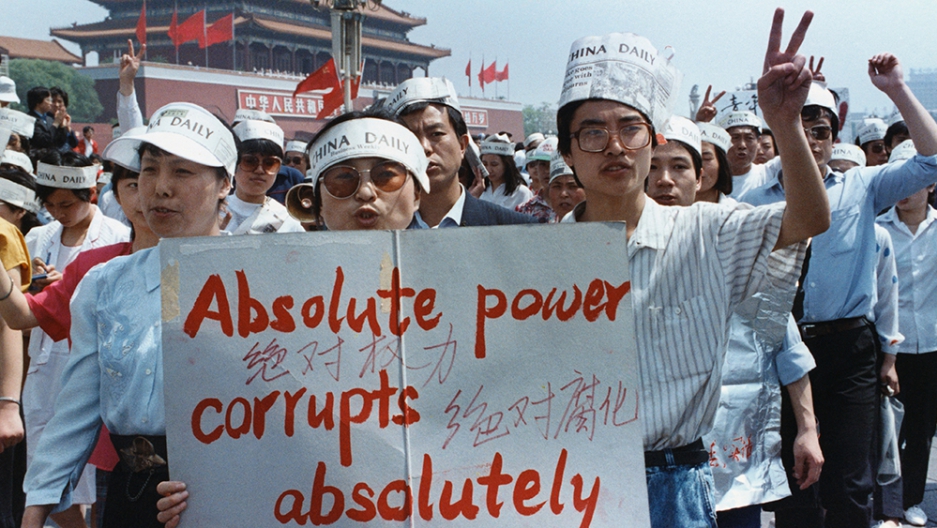
Power and Accountability: The Downfall of Absolute Power. The Chinese Communist Party’s Promises and Reality
From its inception, the Chinese Communist Party (CCP) claimed to be a progressive party advocating for people’s democracy. During its struggle against Chiang Kai-shek, party media such as Liberation Daily were filled with pro-democracy rhetoric like “Without democracy, everything is fake”, “Freedom and democracy are the sunlight and air of modern society”, and “Complete freedom of the press is essential”. These slogans, still relevant today, painted the CCP as democratic warriors sacrificing for a great cause. However, in 1999, Chinese writer Xiao Shu published The Voice of History: The Solemn Promise from Half a Century Ago, compiling these quotes without any personal commentary. The CCP, by then firmly in power and showing its true authoritarian nature, was infuriated. In response, then-Minister of Propaganda Ding Guangen criticized the book and swiftly banned it nationwide, shutting down the publisher and destroying the books, turning this self-inflicted humiliation into a global laughingstock.
The Pros and Cons of Democracy
Modern democratic systems are far from perfect. As Winston Churchill, one of the greatest British Prime Ministers, famously said, “Democracy is the worst form of government, except for all the others that have been tried.” Indeed, democracy often comes with inefficiencies, long decision-making processes, and the risk of populism. However, it remains the only system that effectively confines power within a cage. The intricate checks and balances ensure a robust mechanism for correcting mistakes. This inherent strength of democracy alone allows it to surpass all the “advantages” claimed by autocratic regimes.
China’s “Whole-Process Democracy”
In contrast, China’s so-called “whole-process democracy” is a farce. The National People’s Congress, China’s highest authority, is merely a puppet of Xi Jinping, with its 2,900 representatives acting as mere rubber stamps. For instance, Shen Jilan, the longest-serving delegate since the founding of the People’s Republic, once famously said, “I wholeheartedly support the Communist Party. Being a representative means listening to the Party. I have never voted against any proposal.” This statement, whether out of loyalty or naivety, reveals her as a mere tool of the Party, supporting contradictory policies without question.
The Imbalance of Power and Supervision
The CCP has never intended to share power with the people. Regardless of its claims of pursuing justice and representing the majority, any regime backed by violence and unchecked power inevitably becomes dictatorial. In Western democracies, citizens vigilantly monitor public power, and the media plays a crucial role as the fourth estate. This effective distribution and mutual supervision of power are the cornerstones of democracy, ensuring power is granted from the bottom up and remains confined within legal boundaries.
Conversely, since Xi Jinping’s rise to power, China has regressed into stricter authoritarianism, cracking down on dissidents, enforcing the “Four Consciousnesses” to strengthen control, and abolishing presidential term limits to allow Xi’s indefinite rule. Chinese media, instead of questioning, sings praises for these moves, showcasing its transformation into a mere propaganda tool. In 2016, CCTV even shamelessly displayed a banner proclaiming “CCTV is loyal to the Party, please inspect us” during Xi’s visit, leading to the arrest and heavy sentencing of critic Ren Zhiqiang in 2020.
The Abuse of Public Power
China’s stability maintenance expenditures have skyrocketed, exceeding military spending by 7% in 2020, totalling $210 billion. This unprecedented expenditure highlights a stark disconnect between propaganda and reality. While the media portrays China as the safest country globally, the reality is marked by frequent violent incidents and widespread unrest among citizens facing injustice.
The root of the CCP’s unchecked actions lies in its top-down power structure. Officials are accountable only to their superiors, not the people. During the 2023 Typhoon Doksuri, to protect Xi Jinping’s “Millennium Plan” for Xiong’an, officials diverted floodwaters to Zhuozhou without proper warning or evacuation, causing widespread devastation. This decision reflects the simple logic: “The Emperor values Xiong’an, so we must alleviate his worries, even if it means sacrificing the people.” If these officials were elected and accountable to the people and media, would they dare to make such reckless decisions?
Conclusion
For China to achieve true democracy and freedom, power must be granted from the bottom up, originating from the people. This involves more than just having a vote; it requires a robust system of checks and balances and a vigilant public. While democracy is not flawless, its decentralisation of power and systematic oversight provide an effective way to curb corruption and protect citizens’ rights. China’s future lies in learning from these experiences, advancing genuine reforms, and ensuring that power is accountable to the people, not just to superiors. Only then can China avoid the current abuses of power and achieve true fairness and progress.
Author: Cheng Min, Member of the UK Headquarters of China Democracy Party
“Hatred and Loyalty: The Profound Impact of CCP Brainwashing Education”
We all know that every Chinese child begins to receive systematic education from a very young age. This education is not just about imparting knowledge; more importantly, it subtly shapes their thoughts and values. Starting with the “red songs” in kindergarten, moving on to the red scarves in elementary school, then the Communist Youth League in middle school, and finally party membership in college, the Communist Party’s ideology is deeply ingrained in every child’s heart step by step. This educational approach not only instills loyalty to the Party in every Chinese person but also roots hostility towards foreign nations deep within their hearts through historical hatred. This article will briefly explore the specific forms of this brainwashing education and its profound impact on the thoughts and behaviors of Chinese people.
Every Chinese person, since “leaving the factory,” has been inevitably subjected to the Communist Party’s assembly line-like brainwashing education. From a young age, we are taught slogans like “Parents are dear, but not as dear as Chairman Mao,” “Without the Communist Party, there would be no new China,” and “The East is Red, the Sun rises, China has produced a Mao Zedong.” There are countless such red songs praising the Communist Party, and almost any child who hasn’t yet learned to read can sing a few lines of these red songs.
When children enter elementary school, the bright red scarves eagerly wrap around their tender necks, constantly reminding them to learn from their predecessors and to be loyal to the Party and love the country. In the 2000s, forgetting to wear a red scarf to school was considered a serious mistake, resulting in punishments from teachers or even being sent home to retrieve it. After entering middle school, the red scarf is taken off, only to be replaced by the pledge of the Communist Youth League, followed by Party membership in college. Throughout the most formative decade of establishing their worldview, the Communist Party never misses a single day, always occupying a crucial place in children’s hearts, tirelessly teaching each child to love the Party and the country. The Party’s propaganda never shies away from placing the Party before the country, and the Chinese people, who have endured thousands of years of feudal autocracy, find this completely natural.
Many of us who grew up in China have experienced this: when we cried incessantly at night, our parents or elders would sometimes scare us, saying that if we continued crying, wolves or monsters outside would come and take us away. Such threats are often very effective on young children, and the Communist Party adopts a similar yet foolproof method to complete the brainwashing of the Chinese people from another perspective.
On one hand, after thousands of years of Confucian indoctrination, Chinese people inherently long for a “Golden Age” of benevolent autocracy. On the other hand, the century-long history of humiliation and invasion is the perfect backdrop for the Communist Party to implement hatred education. Over several decades, the CCP has produced and published thousands of movies, TV dramas, and books glorifying itself, while vilifying and even demonizing its enemies in these works, deliberately guiding every Chinese person to hate foreign countries. Phrases like “Imperialism never dies” are as familiar to Chinese ears as “Without the Communist Party, there would be no new China,” both being indelible imprints of the CCP’s decades-long brainwashing education.
This dual approach of instilling hatred and loyalty has shaped the contradictory mindset of Chinese people when facing international events. On one hand, Chinese people are extremely proud of the China under CCP rule, with a sense of national cohesion and identity far surpassing any democratic country in the world, which is the fundamental purpose of CCP brainwashing education. But on the other hand, most Chinese people, due to long-term brainwashing, lack international perspective and open-minded thinking, often viewing issues without logical rigor and rational consideration. Compared to citizens of modernized countries, they are more akin to remnants of WWII-era Japanese militarism. Chinese social media is filled with extreme rhetoric like “nuke Taiwan” or “Tokyo massacre,” and the CCP, for political reasons, often turns a blind eye to such comments while actively deleting and blocking the rational voices, which are already a minority.
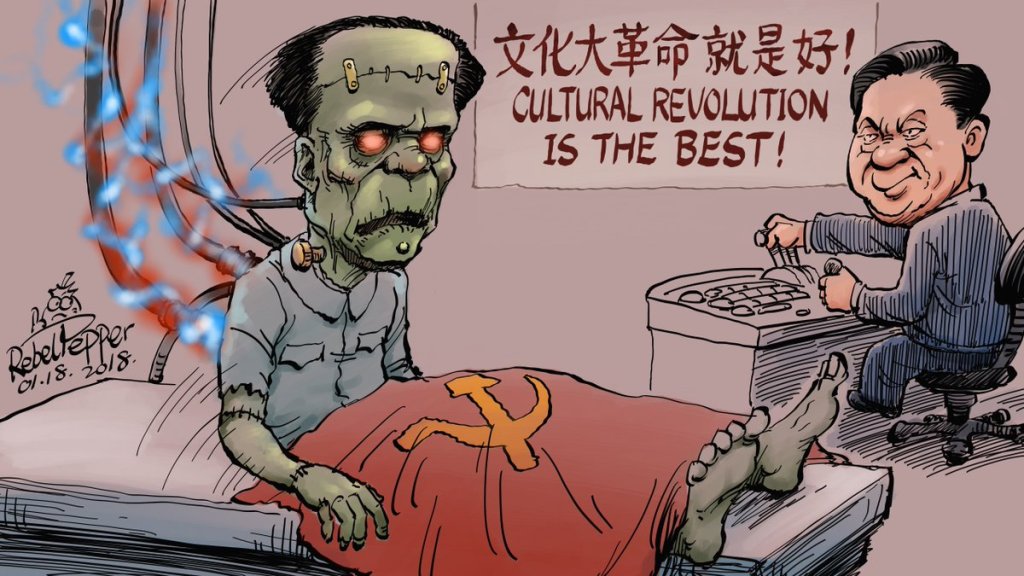
In the long run, when internal conflicts become irreconcilable, a Cultural Revolution 2.0 or military invasion of Taiwan may not be far off.
Author: Cheng Min, Member of the UK Headquarters of China Democracy Party
Commemoration of the Seventh Anniversary of Liu Xiaobo’s Death
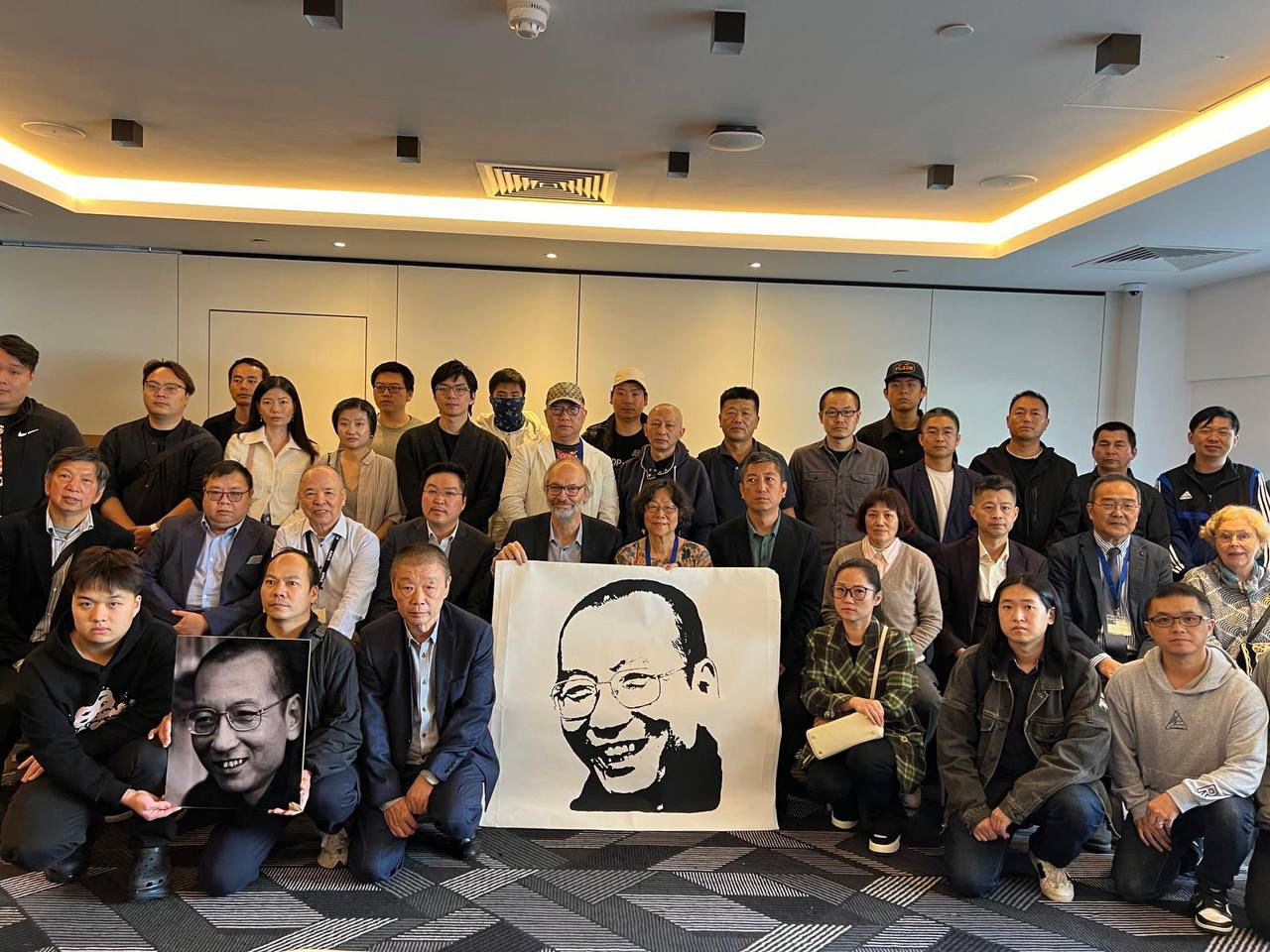
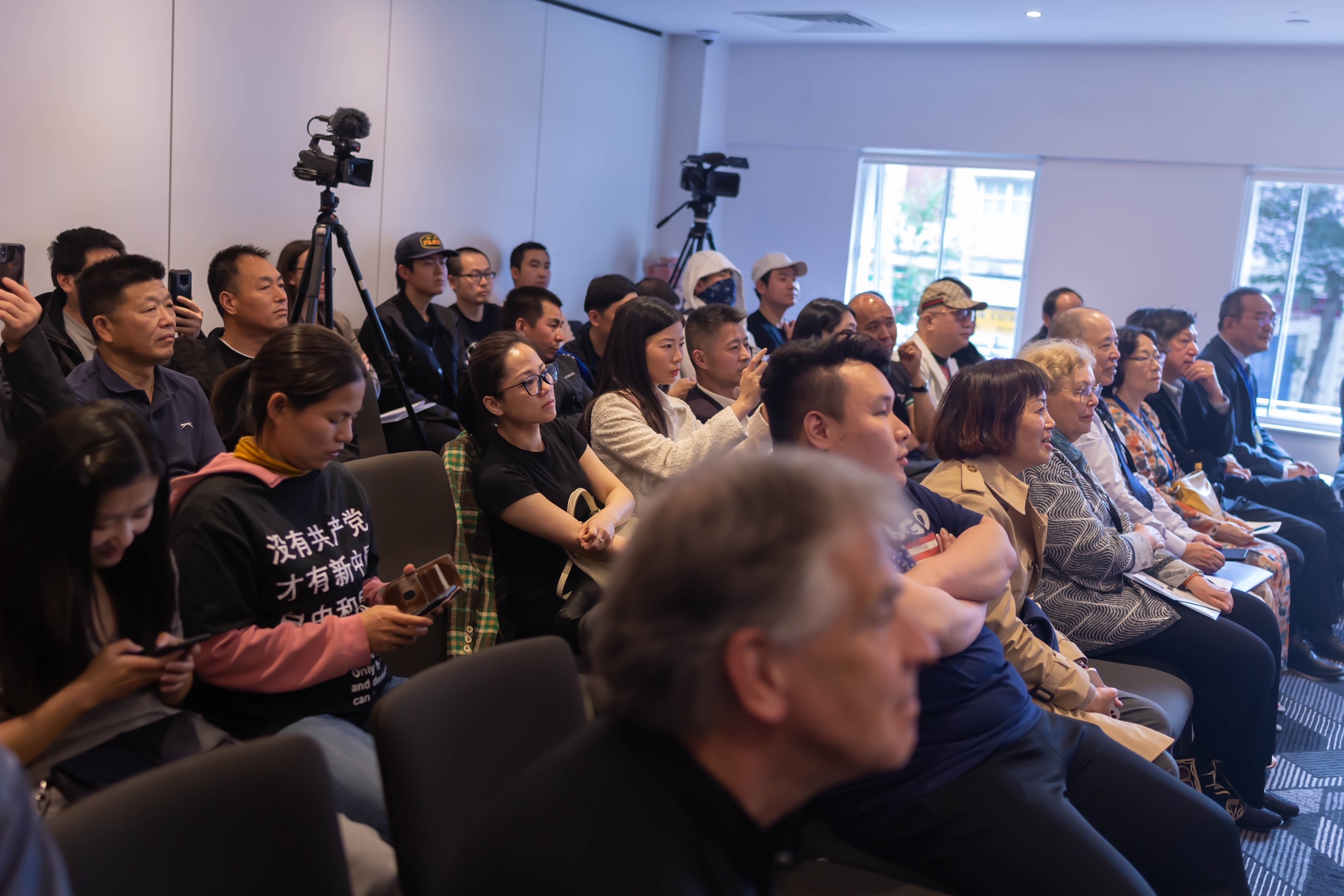
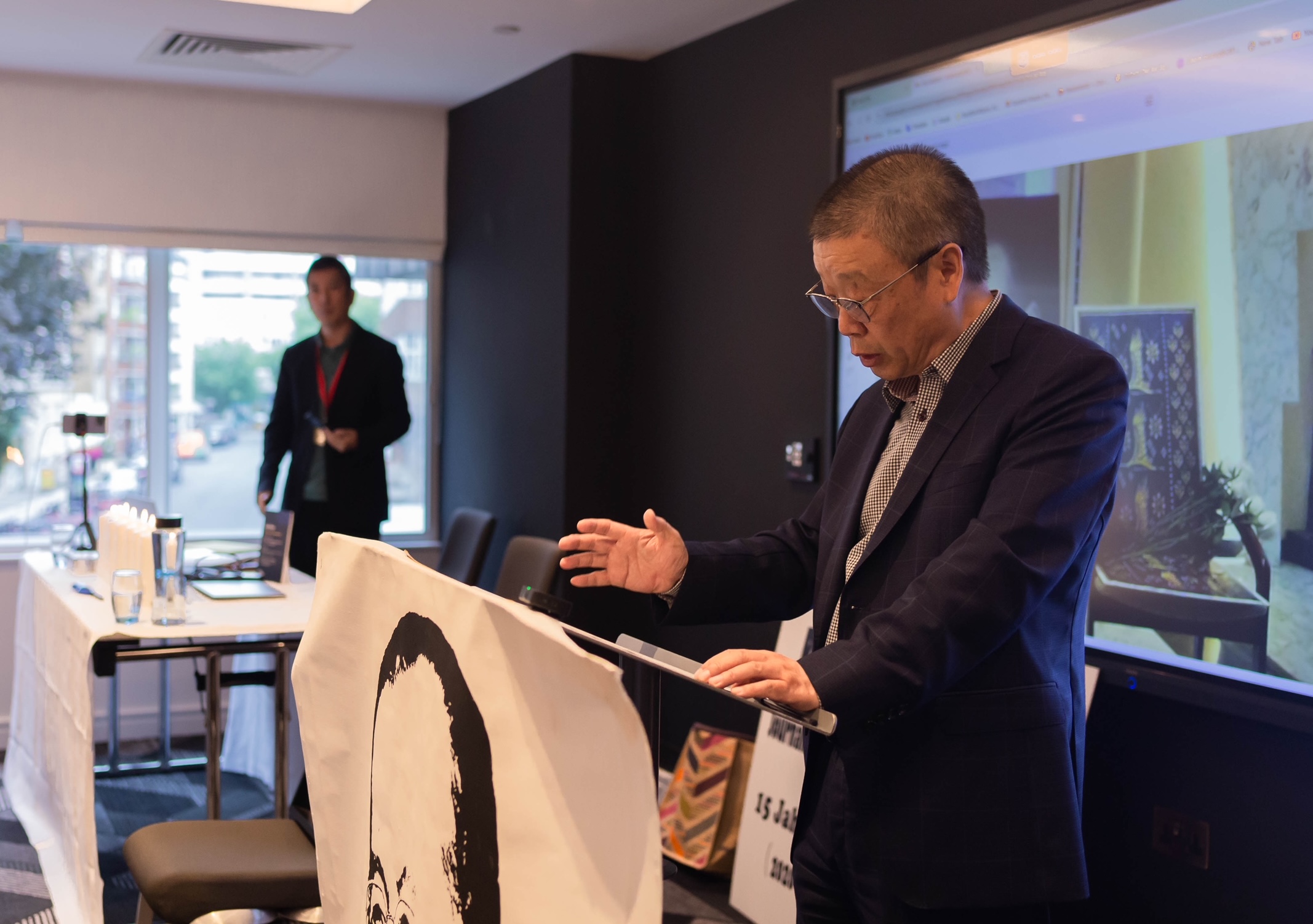
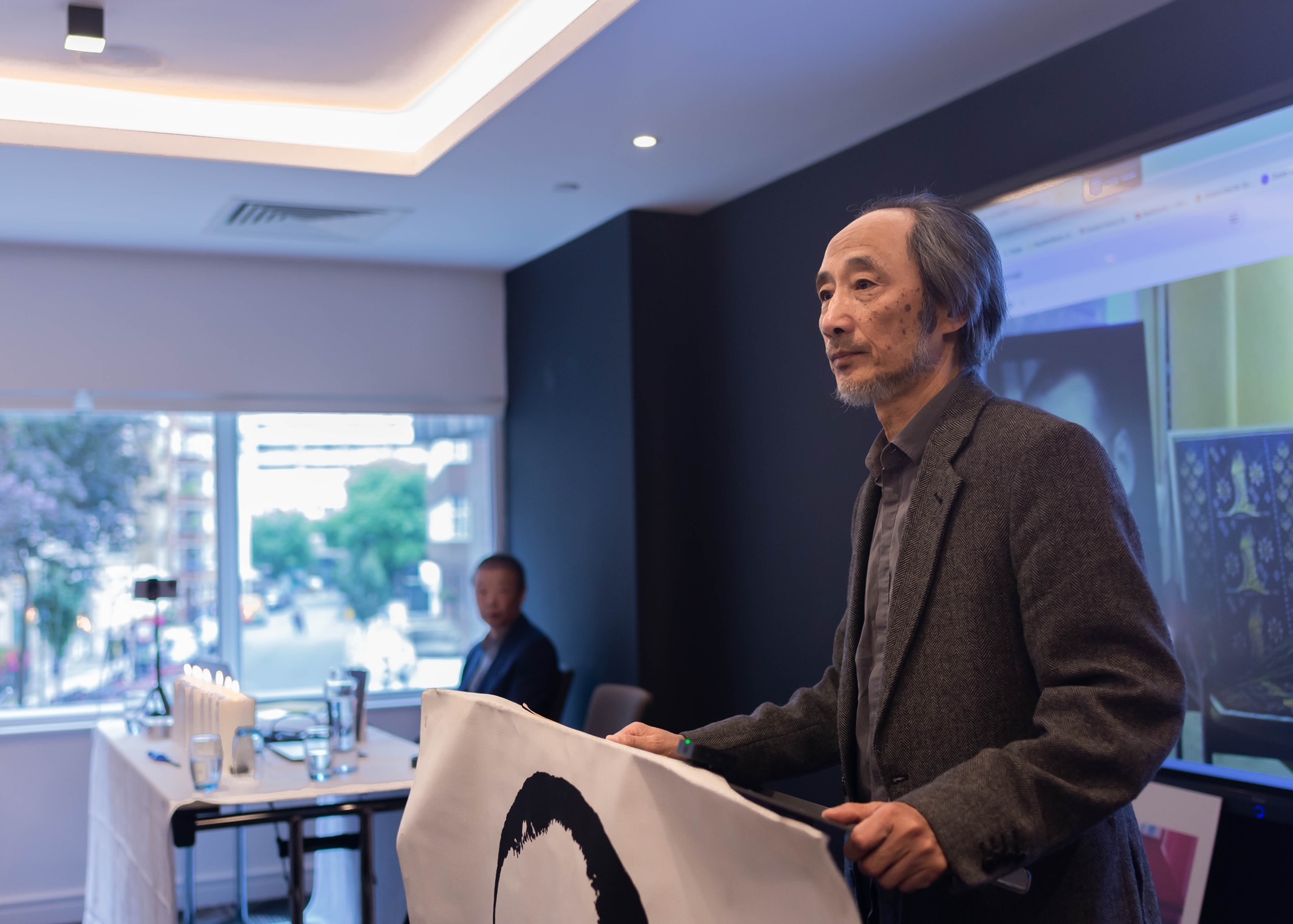
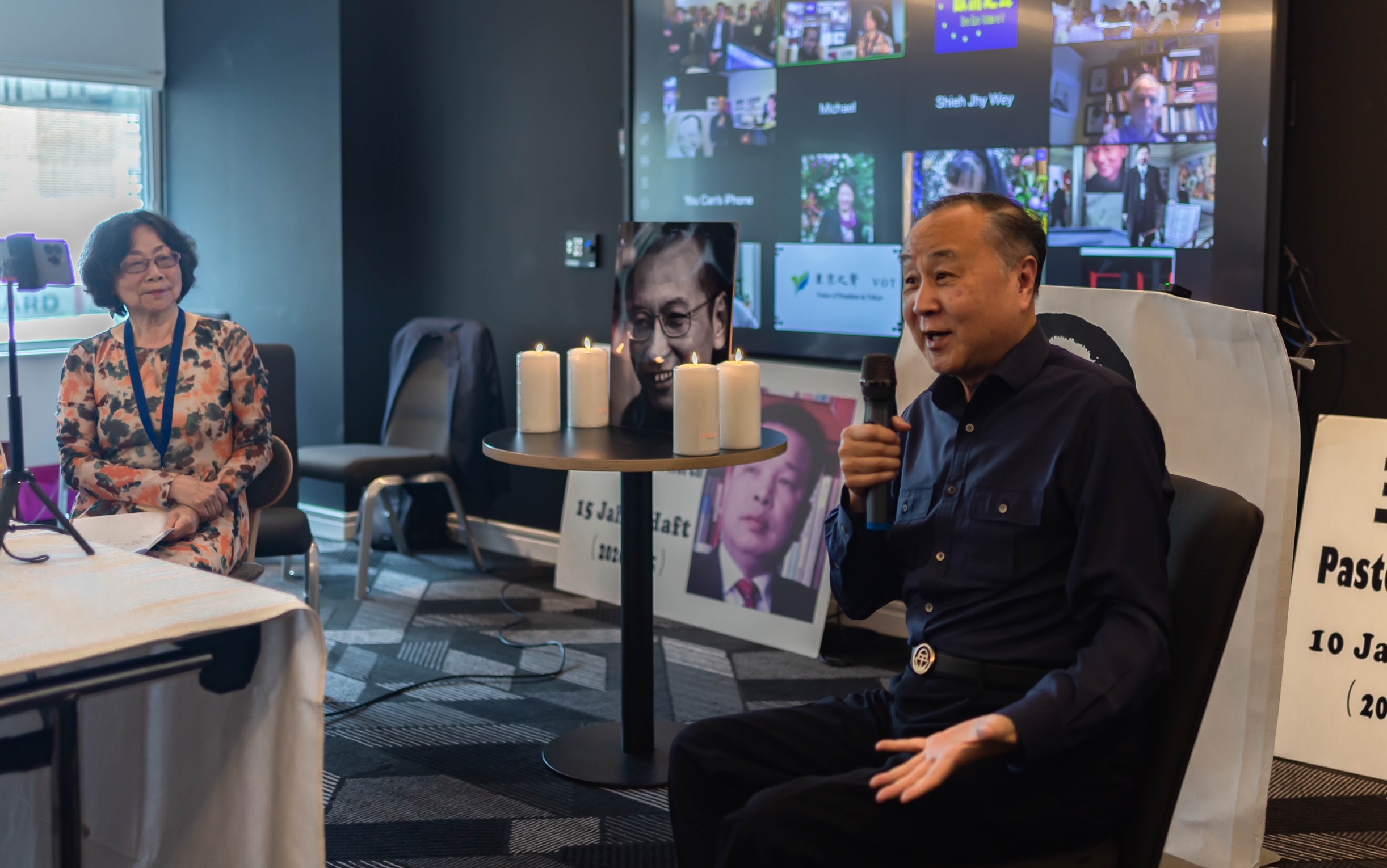
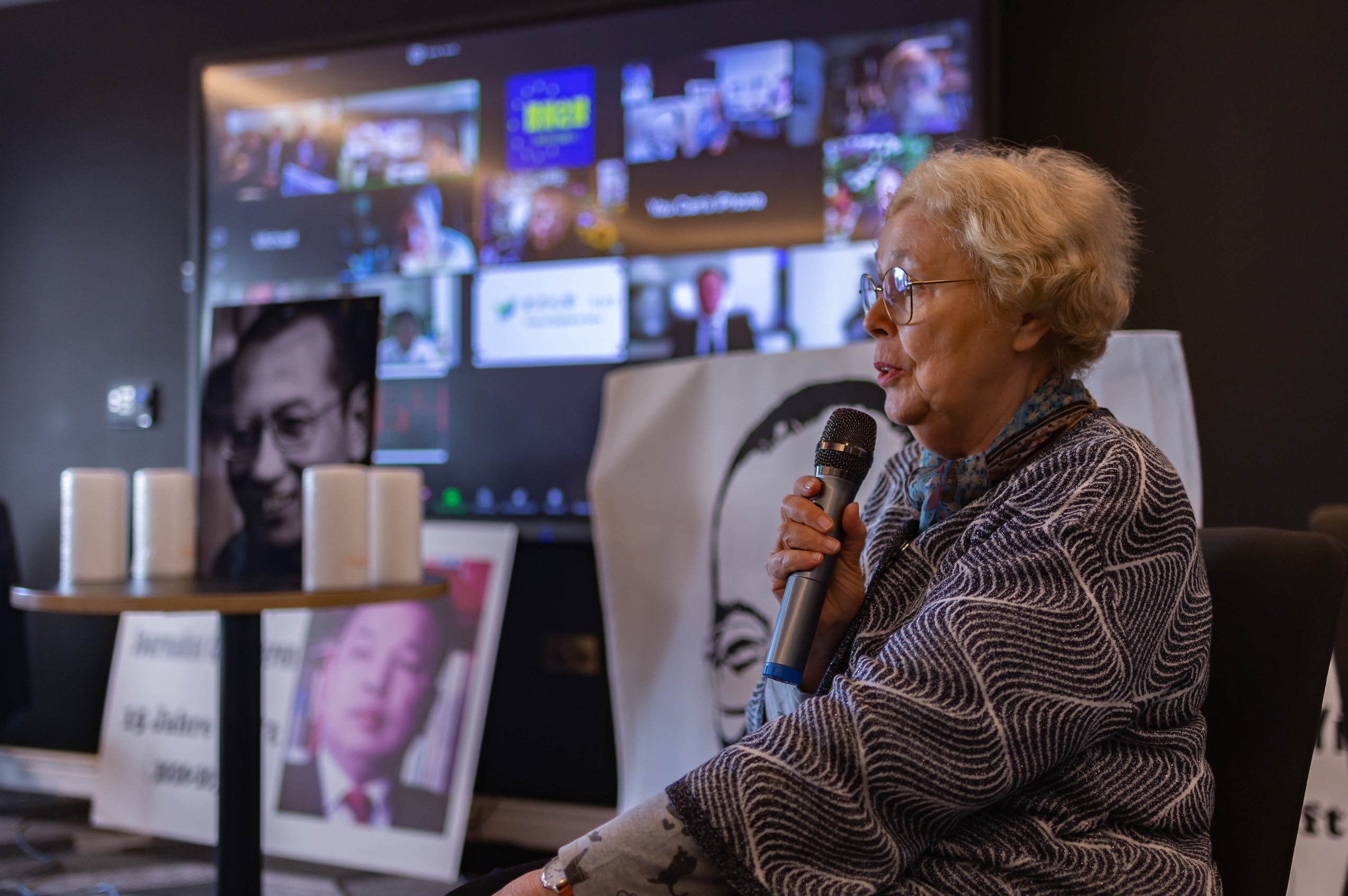
On July 13, 2024, to commemorate the seventh anniversary of the death of prominent Chinese dissident Liu Xiaobo, the UK Headquarters of China Democracy Party and the Voice of Europe jointly organized a solemn and meaningful commemorative event. The event was held in a conference hall at the Royal National Hotel in central London, attracting democrats, human rights activists, scholars, and members of the China Democracy Party from various regions to honor this great figure who dedicated his life to the cause of democracy in China.
The event began with a welcoming speech by Wang Guanru, Vice Chairman of the National Joint Headquarters of the China Democracy Party and Chairman of the UK Headquarters of China Democracy Party, addressing the guests and party members. Then, Liao Tianqi, President of the Voice of Europe, introduced Liu Xiaobo’s life and his major achievements. Liu Xiaobo was a renowned literary critic, scholar, and human rights activist in China, repeatedly imprisoned for his advocacy of democracy, freedom, and human rights. One of his most notable achievements was drafting the “Charter 08,” which called for political reform and the establishment of constitutional democracy in China. In 2010, Liu Xiaobo was awarded the Nobel Peace Prize, but he was sentenced to 11 years in prison for “inciting subversion of state power” and died of liver cancer in custody in 2017.
Subsequently, the leaders of the UK Headquarters of China Democracy Party and the Voice of Europe delivered speeches. They recalled Liu Xiaobo’s tremendous sacrifices for democracy and human rights in China, emphasizing the profound impact of his spiritual legacy on contemporary China and the world. It was mentioned in the speeches that although Liu Xiaobo has passed away, his ideas and spirit continue to inspire countless individuals pursuing freedom and justice. Following this, several invited guests, including well-known China experts, writers, and human rights activists, gave speeches. They explored Liu Xiaobo’s intellectual legacy, the current human rights situation in China, and the international community’s strategies for addressing human rights issues in China from various perspectives. One guest fondly recalled several meetings with Liu Xiaobo, sharing his warm and resolute demeanor in private, providing attendees with a more comprehensive understanding of this great figure. The event also featured a video segment showcasing some precious footage of Liu Xiaobo. On the screen, Liu Xiaobo’s steadfast gaze and gentle words seemed to transcend time and space, touching hearts.
Party members of the UK Headquarters of China Democracy Party, including Lu Lingfei, Zhu Shuanglin, Li Jingtang, Zhu Siyong, and Hu Xiao, were deeply moved and actively participated in the discussions, expressing their pursuit of freedom and democracy and their profound remembrance of Liu Xiaobo.
The commemoration consisted of a morning in-person event and an afternoon online event. After the afternoon meeting concluded, attendees proceeded to the Chinese Embassy in London for a protest. This event was not only a commemoration of Liu Xiaobo but also a firm support for the universal values of freedom, democracy, and human rights. Through such commemorations, Liu Xiaobo’s spirit is perpetuated, and his pursuit continues to inspire more people to engage in the struggle for freedom and justice.
Participants in the Event
Wang Guanru, Huang Hua, Jiang Yushan, Thomas, Lin Lijun, Li Yafei, Jin Xueqin, Liu Encheng, Yu Weiliang, Guo Yuxuan, Zhao Qiang, Liao Liuyan, Robin, Yan Lei, Li Haobo, Zhou Liang, Ruan Qian, Gu Xiaofeng, Lan Ziming, Lin Mingqiang, Zhu Shuanglin, Wei Chenyu, Xu Weihua, Zhou Liang, Zhu Siyong, Zhou Xiaobin, Huang Lin, Wei Yiming, Li Jingtang, Hu Xiao, Lu Lingfei, Wang Jian, Chen Mingwang, David, Junius Tian, and others.
Reported by the UK Headquarters of China Democracy Party.
UK Headquarters of China Democracy Party Protests to Demand Closure of Hong Kong Government’s London Office
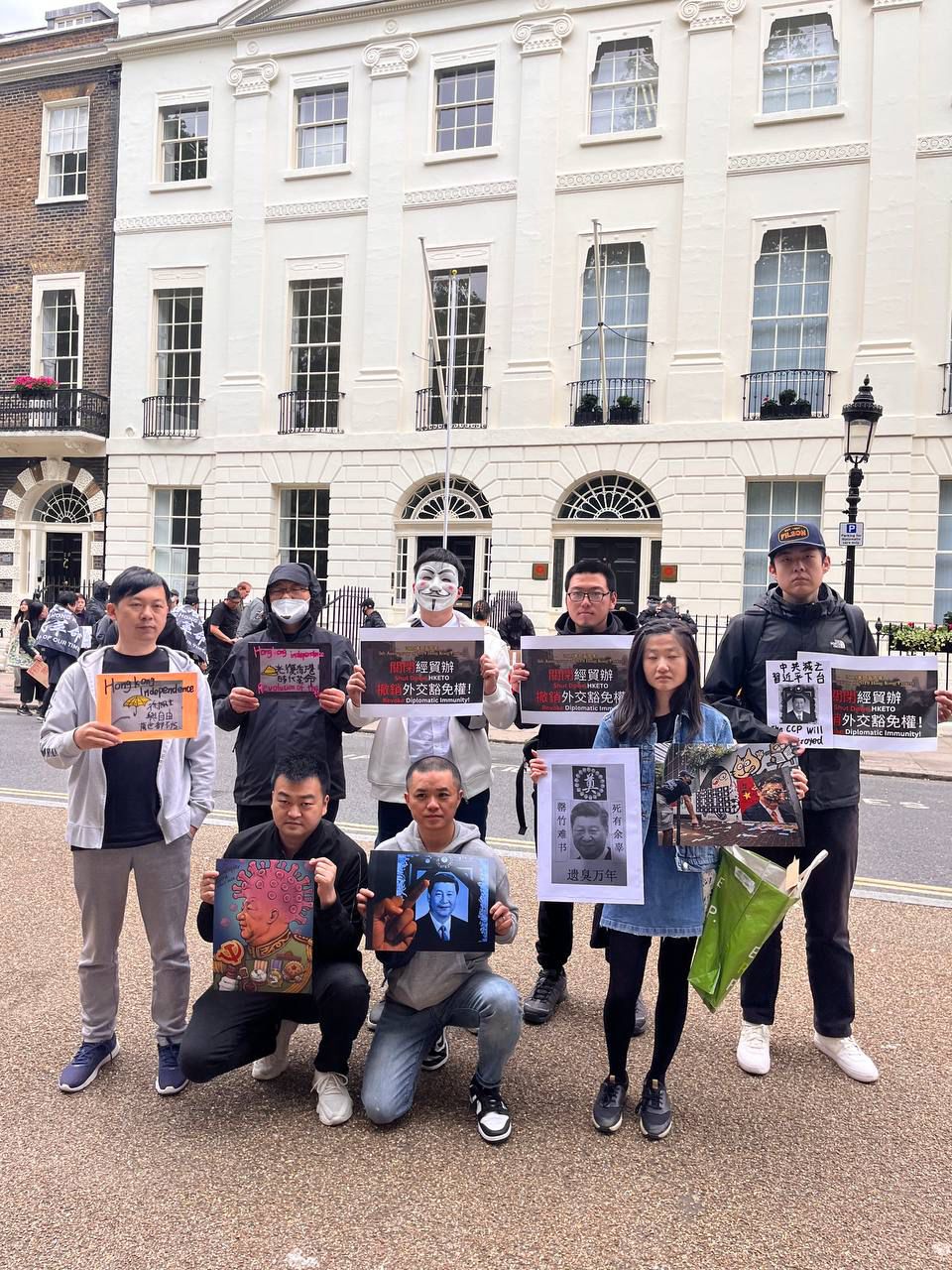
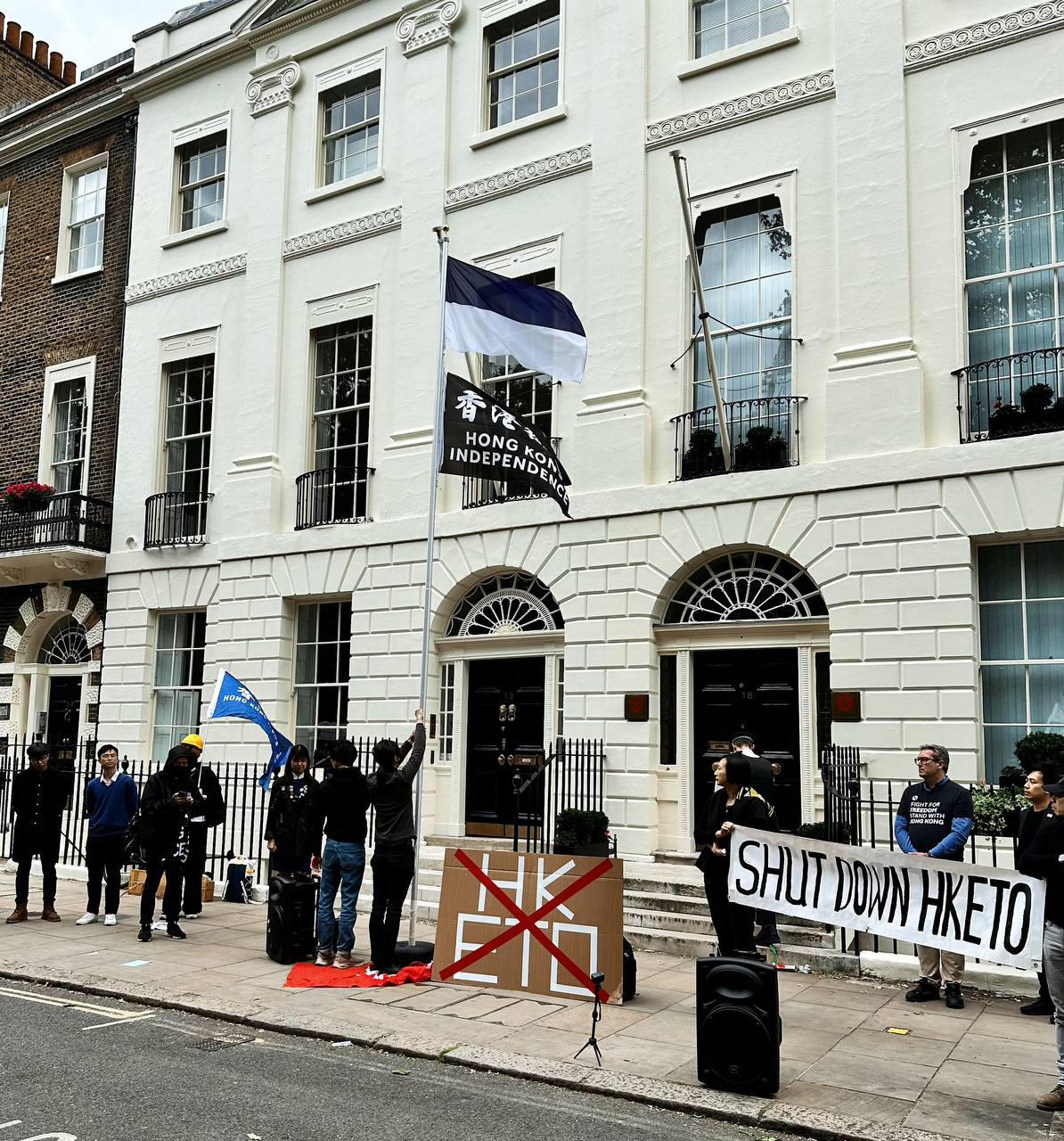
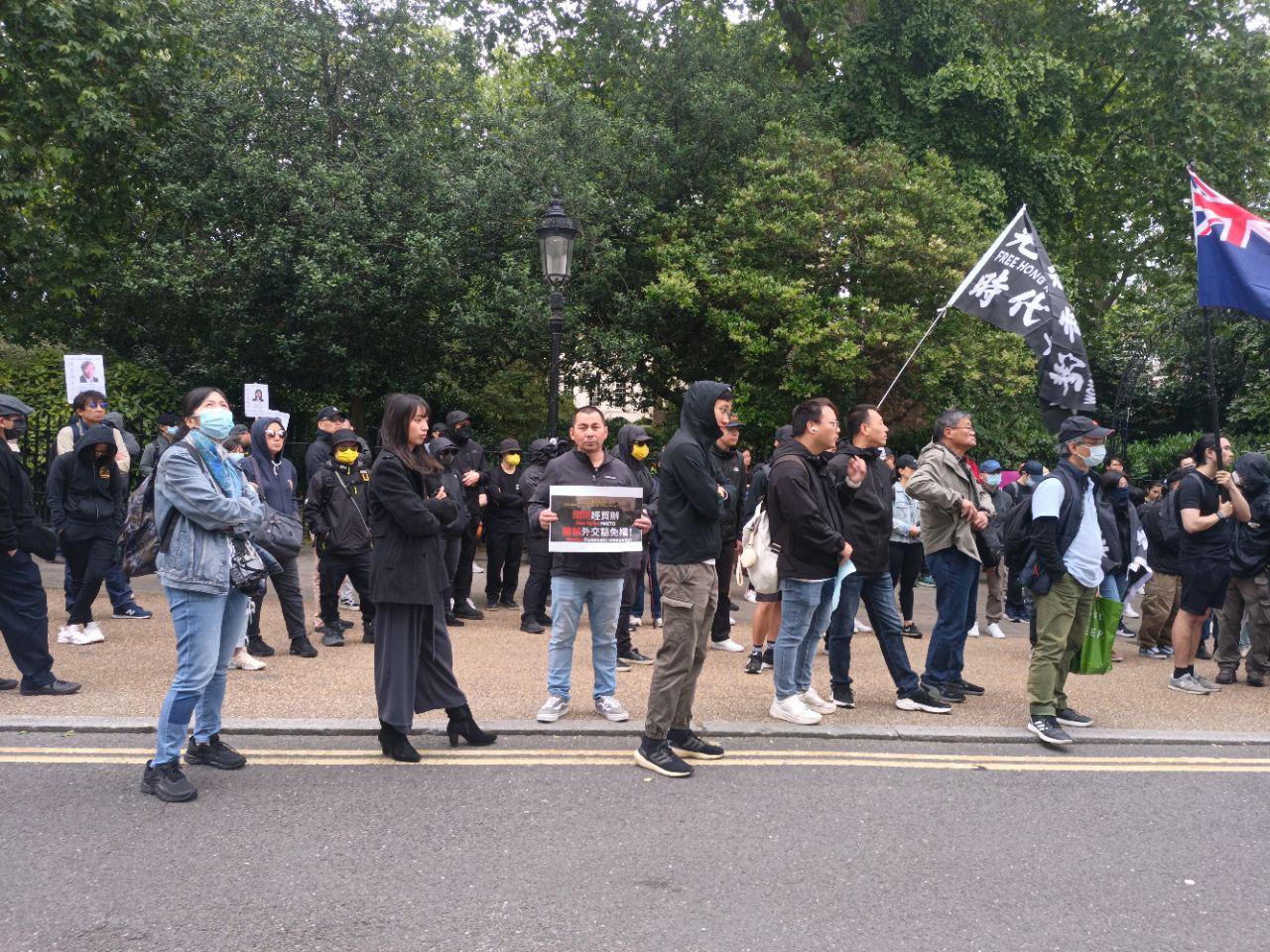
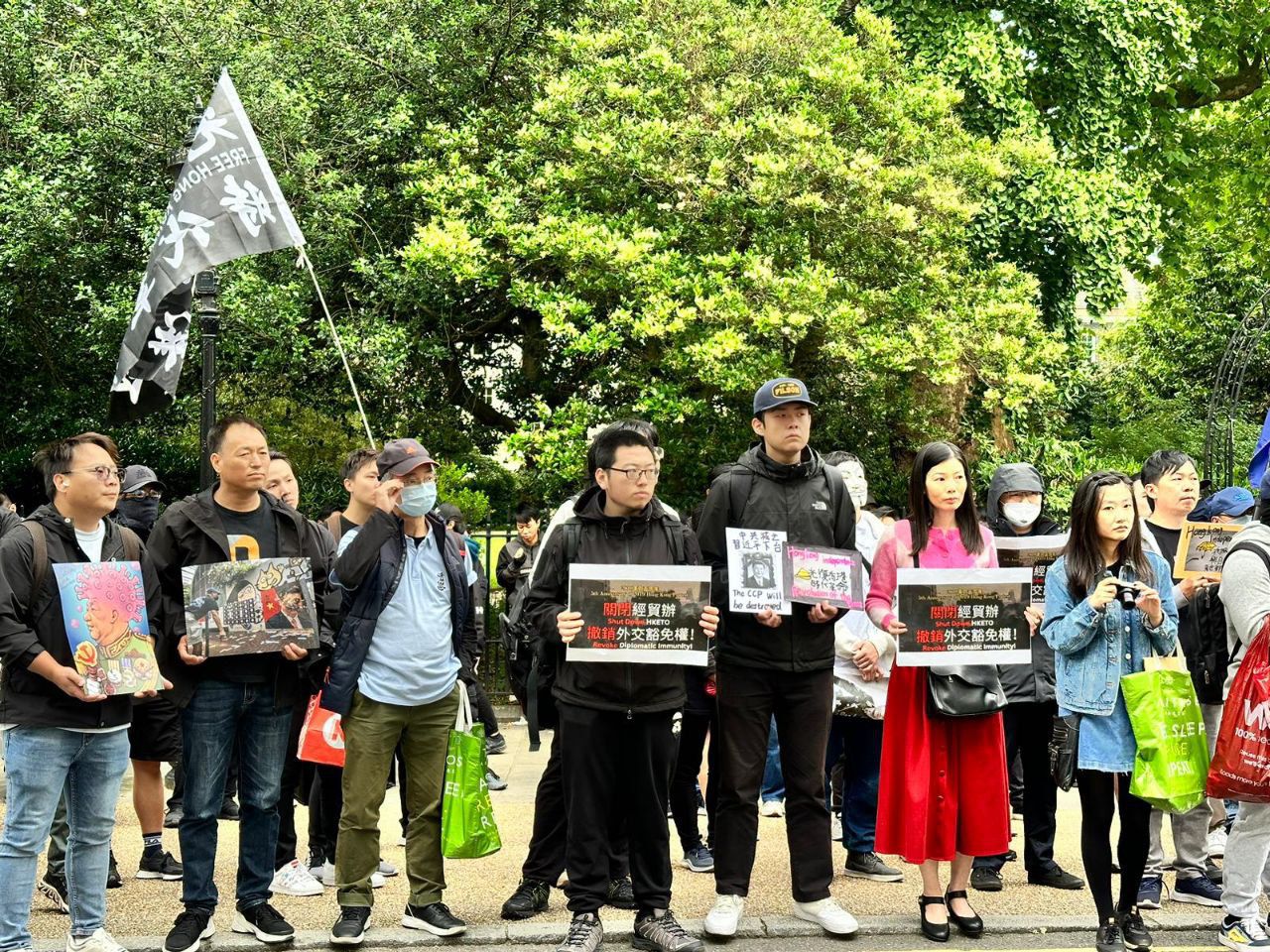
On the afternoon of June 9, 2024, the UK Headquarters of China Democracy Party, in collaboration with the British Hong Kongers Association and Hong Kong Watch, organized a protest outside the Hong Kong Economic and Trade Office (HKETO) in London. The protest aimed to demand the closure of HKETO and the revocation of its diplomatic immunity by the British government.
This protest was initiated by the UK Headquarters of China Democracy Party in response to the worsening situation in Hong Kong and the ongoing crackdown on democracy activists by the Chinese government. On the day of the protest, demonstrators gathered outside HKETO, holding up homemade signs and banners with slogans such as “Oppose CCP Dictatorship,” “Close HKETO,” and “Revoke Diplomatic Immunity.” They hoped to send a strong message to the international community and draw attention to the state of democracy and human rights in Hong Kong.
During the protest, Hong Kong democracy groups organized a flag-raising ceremony, hoisting the blue and white flag symbolizing Hong Kong independence. This symbolic gesture expressed the protesters’ steadfast support for Hong Kong’s democracy and conveyed their demands to passersby and the media. Representatives from Hong Kong democracy groups delivered impassioned speeches, highlighting the severe challenges currently facing Hong Kong and calling for increased international support for the democracy movement. Their speeches were met with enthusiastic responses and applause from the protesters.
Members of the UK Headquarters of China Democracy Party expressed their views and demands during the event. They stated, “We demand the closure of HKETO and the revocation of its diplomatic immunity because HKETO has not fulfilled its role of promoting Hong Kong’s engagement with the international community. Instead, it has become a tool for the CCP’s political infiltration in the UK.” “Hong Kong’s democracy movement needs global attention and support. Only through international pressure can we compel the Hong Kong government and the CCP to make changes.”
In recent years, the political environment in Hong Kong has become increasingly tense. Since the implementation of the Hong Kong National Security Law, the democracy movement and freedom of speech in Hong Kong have been severely repressed. Many democracy activists have been arrested or have fled abroad, while international attention and condemnation of the situation in Hong Kong have intensified. However, the CCP has largely ignored external criticism and continues to enforce its hardline policies.
The organizers of this protest stated that they would continue to engage in various forms of activism to garner more international support. They hope that the British government will take their demands seriously and take action to close HKETO and revoke its diplomatic immunity. They firmly believe that with the concerted efforts of the international community, Hong Kong can achieve true democracy and freedom.
Participants in the protest included: Lijun Lin, Aaron Li, Xuecen Jin, Yuxuan Guo, Lei Yan, Haobo Li, Liang Zhou, Weihua Xu, Siyong Zhu, Jian Wang, and Junius Tian, among others.
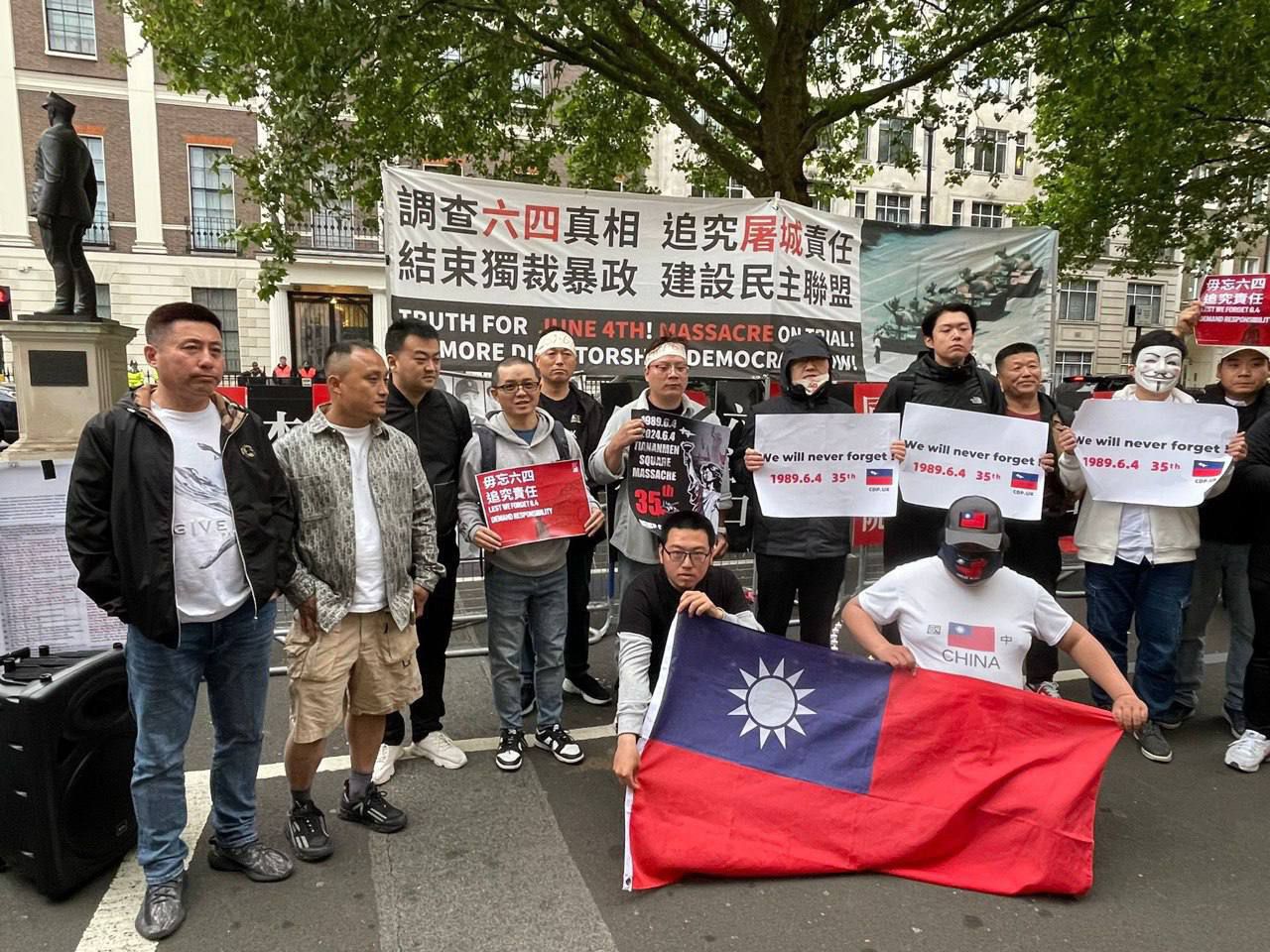
中国民主党英国总部的党员们手持:We will never forget的标语和纪念六四事件的海报,表达着他们对六四遇难者的深切悼念之情。第一次参与六四纪念活动的年轻党员李亚伦表示:作为逃离中共政权暴政的年轻人,他深知自由与幸福对于生活在共产主义政权下的年轻人几乎是不可能的事,他认为中国的年轻人必须勇于斗争,传承六四的精神。本次活动在雨中落下帷幕,雨滴彷佛亦在为35年前六四死难者哭泣。
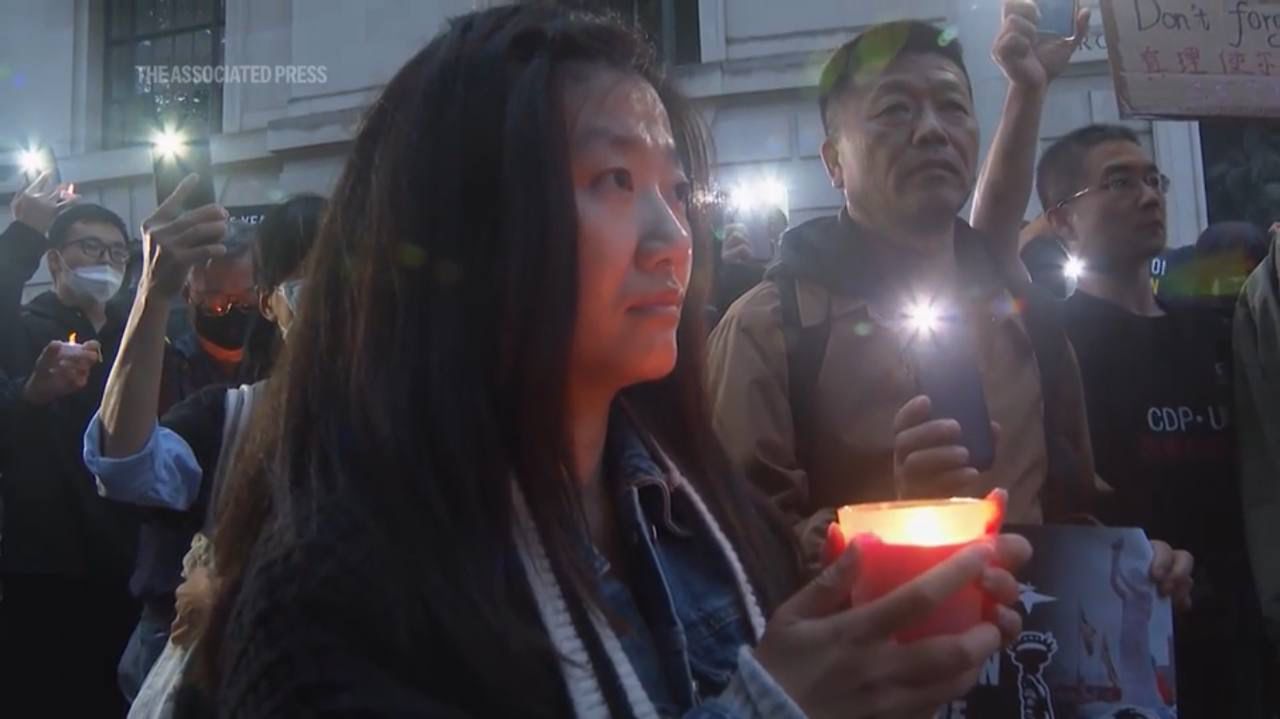
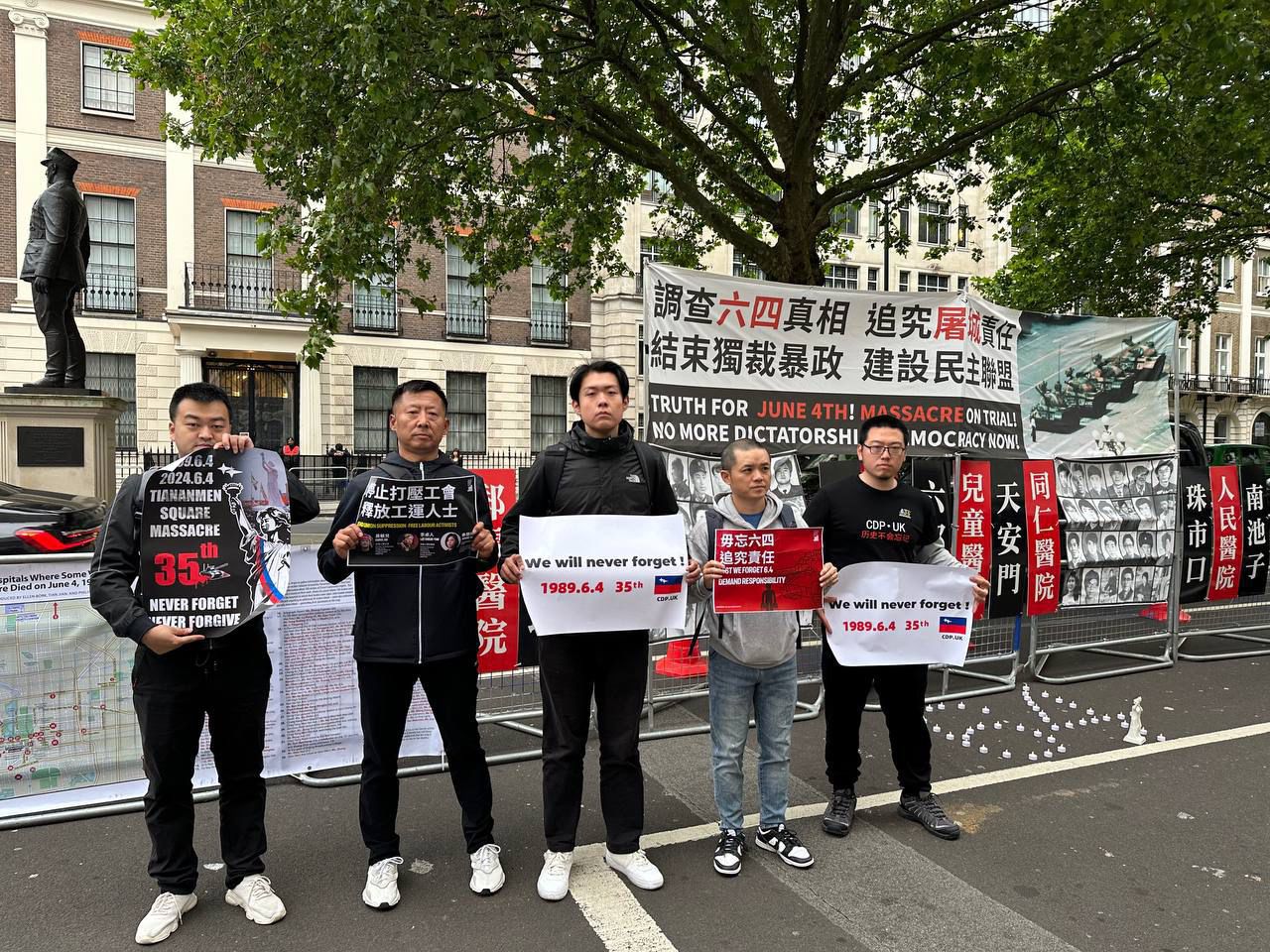
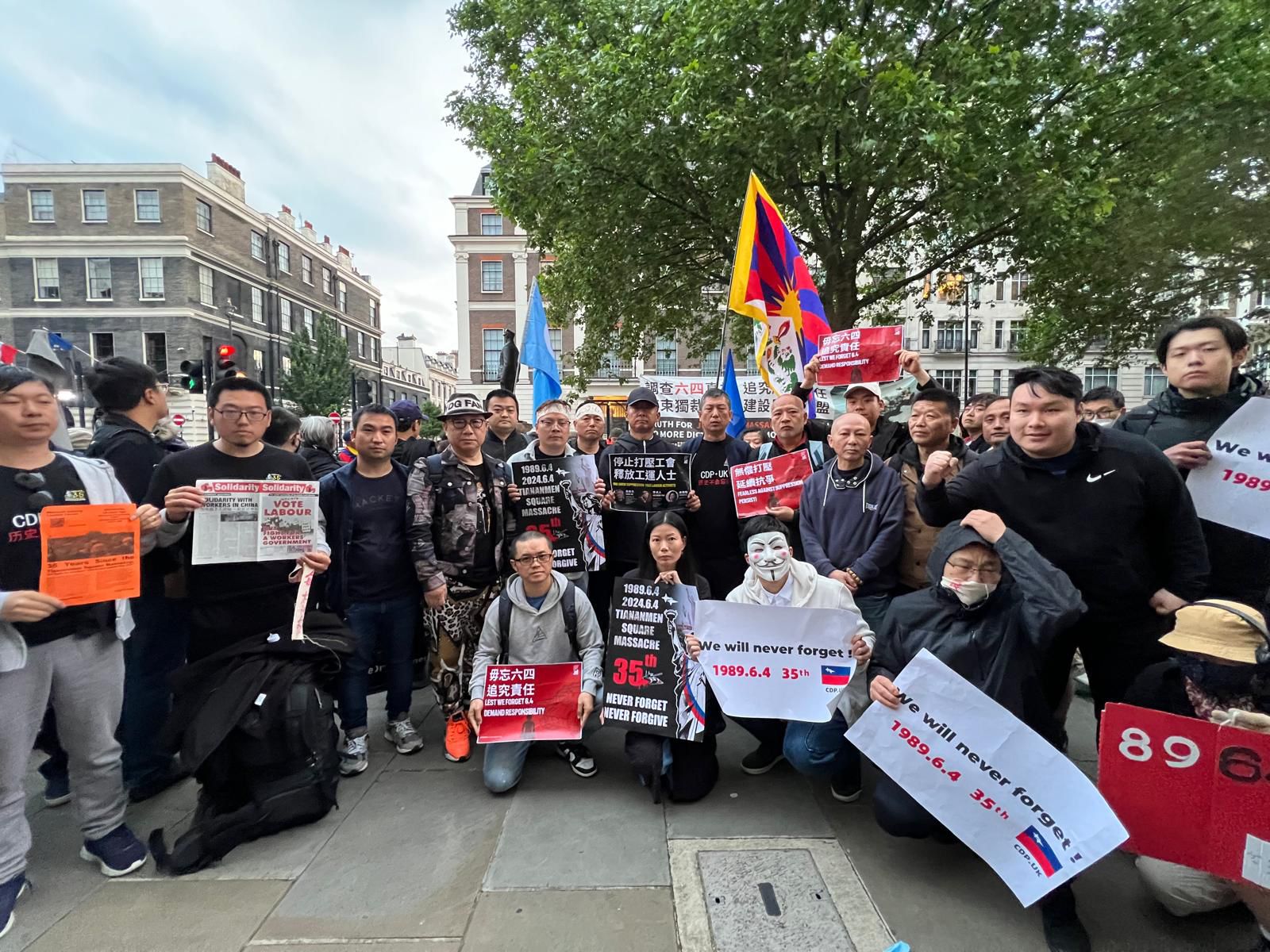
35th Anniversary of the Tiananmen Square Massacre: Commemoration Event Outside the Chinese Embassy in London
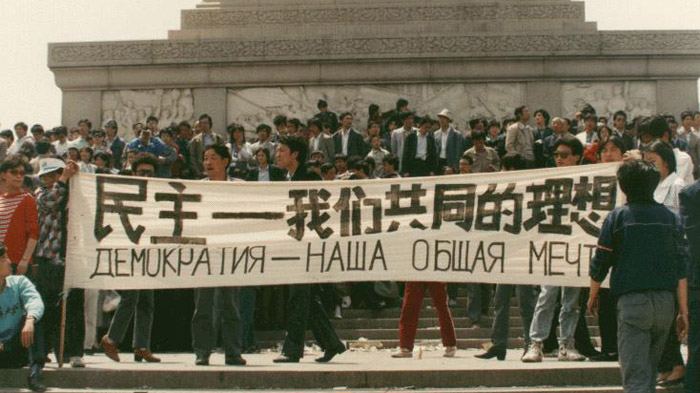
On the evening of June 4, 2024, the UK Headquarters of the China Democracy Party, along with groups of Hong Kongers, Tibetans, and others in the UK, held a commemoration event outside the Chinese Embassy in London to mark the 35th anniversary of the Tiananmen Square Massacre. The event was organized by a former student representative who had a dialogue with the then Chinese Premier in 1989. This commemoration was not only a remembrance of the historical event but also a denunciation and call to action regarding the current human rights situation in China.
The event commenced at 8 PM, featuring a large banner that read: “Investigate the Truth of June Fourth, Hold Those Responsible for the Massacre Accountable, End Dictatorship, and Build a Democratic Alliance.” Participants held banners and signs with messages like “Remember June Fourth, Never Forget History” and “Fight for Democracy, End Autocracy.” The atmosphere was solemn and respectful, honoring the students and citizens who perished in Tiananmen Square in 1989.
During the event, Shao Jiang and renowned exiled writer Ma Jian gave speeches. They recounted the events of the Tiananmen Square Massacre, with Shao Jiang emphasizing that the massacre was not confined to Tiananmen Square or to one night; it was a 72-hour massacre that occurred across various areas in Beijing. They condemned the violent crackdown on peaceful demonstrators by the Chinese government and stressed that this tragedy is not only a scar on China but a disgrace to humanity. They called on the international community to remember the victims of June Fourth.
The organizers noted that although 35 years have passed, the truth of the Tiananmen Square Massacre remains concealed by the Chinese government, and the families of the victims have yet to receive a proper apology and compensation.
Members of the UK Headquarters of the China Democracy Party held signs reading “We will never forget” and posters commemorating the June Fourth incident, expressing their deep condolences for the victims. First-time participant and young party member, Aaron Li, expressed that as a young person who fled the tyranny of the CCP regime, he understands that freedom and happiness are nearly impossible for those living under communist rule. He believes that young people in China must bravely fight and carry forward the spirit of June Fourth.
The event concluded in the rain, with raindrops seemingly weeping for the victims of the massacre 35 years ago. This commemoration attracted significant international media attention, with numerous outlets covering the event. Many reports highlighted the growing global awareness of China’s human rights issues and condemned the actions of the Chinese government. The members of the UK Headquarters of the China Democracy Party hope that such commemoration events will awaken more people’s consciences, urging the world to work together to achieve democracy and freedom in China as soon as possible.